
Newest housing stock truck
Ashland's median build year is 2003 itself, which puts a big share of its houses at the newest edge of that range rather than the middle. That changes what we load before we head your way.
Ashland, Jefferson City
Ashland's homes mostly went up after 2003, newer than the rest of the Jefferson City area. We bring the right parts for newer steel doors and openers, 17 miles out.
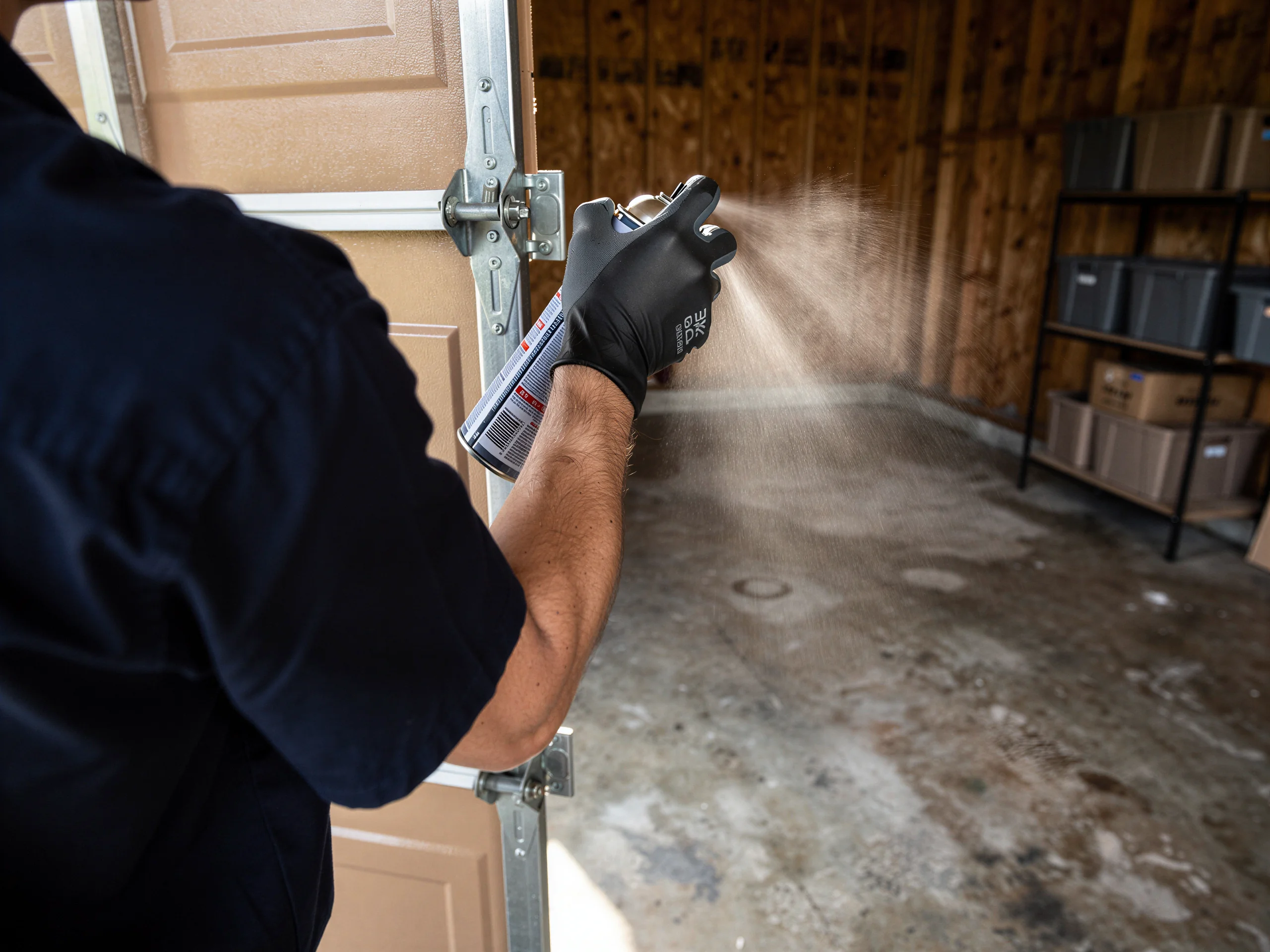
On the truck
Ashland is one of the newer pockets we cover out of Jefferson City. Across the wider service area, houses run from 1938 up through 2003, with a lot of that stock dating to the 1960s and 70s.
Ashland's median build year is 2003 itself, which puts a big share of its houses at the newest edge of that range rather than the middle. That changes what we load before we head your way.
Instead of stocking up on parts for older side-mounted torsion setups and heavier one-piece doors, we're carrying steel sectional door hardware, extension and torsion springs sized for lighter modern panels, and circuit boards for openers built in the last fifteen to twenty years rather than the older chain-drive units we still see closer to downtown Jefferson City.
We still bring both spring types and a range of roller and cable stock, because no two driveways are identical, but the mix on the truck for an Ashland call looks different than it does for a 1965 ranch house.
Pricing
We don't have a published price list to quote here, and giving you a number without seeing the door would be a guess, not a fact.
What we can tell you is what drives the cost on a newer-build house like the ones common in Ashland: spring weight rated to the door's actual panel material, whether the opener needs a logic board or a full replacement, and whether the track is still square or has been knocked out of alignment.
Ashland's median household income across the broader service area runs higher than some of the older sections we cover, and newer doors tend to use lighter steel and composite panels rather than heavier wood or older steel, which generally means lower spring tension and simpler labor than an older heavier door.
That can work in your favor on a repair bill, though it depends entirely on the specific door and opener you have.
The repair
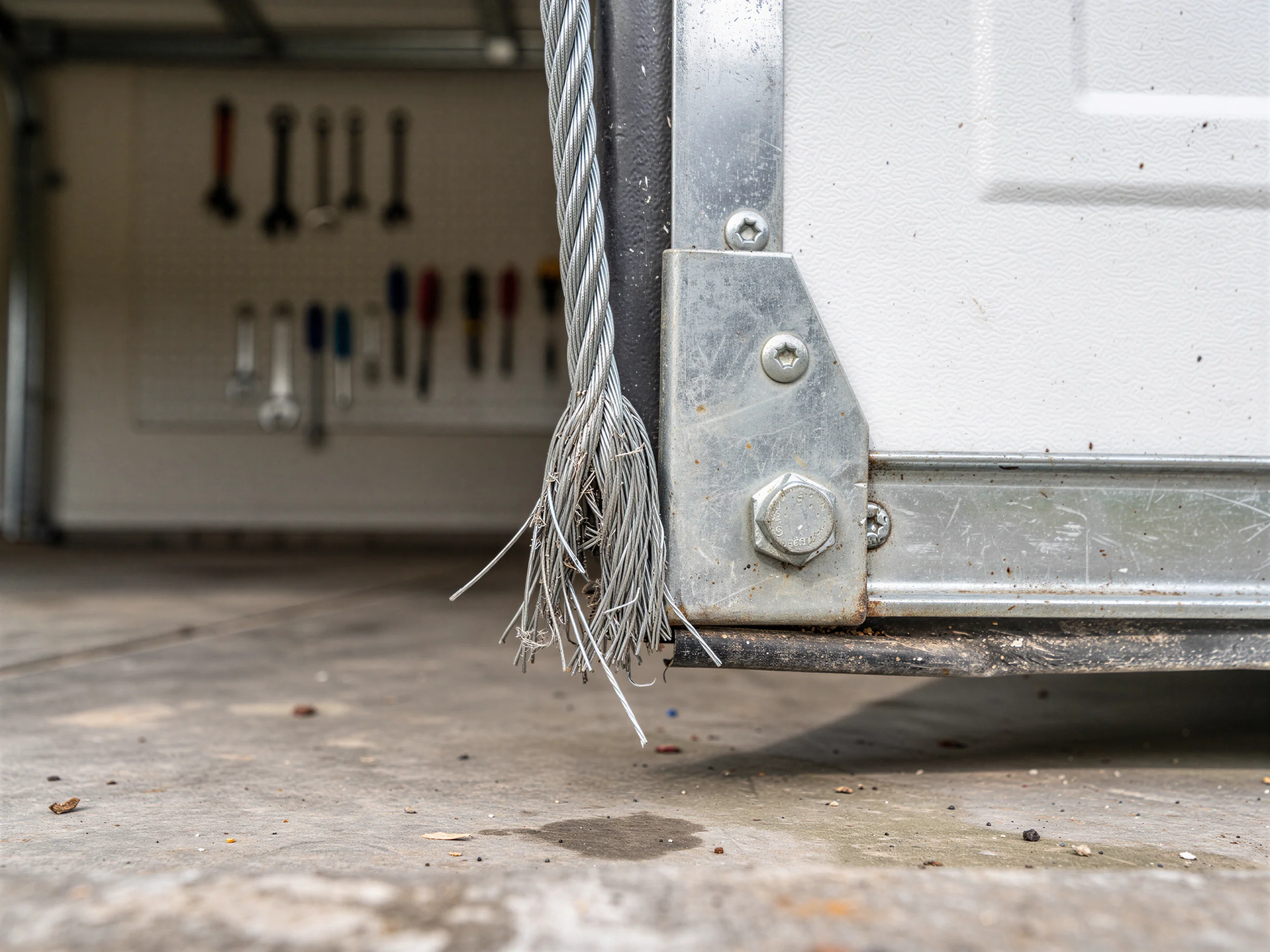
A garage door job on a house built around 2003 or later usually comes down to one of a handful of things: a spring that's worn out its cycle count, a sensor that's gone bad or out of alignment, a roller that's seized, or an opener logic board that's failed.
These are generally quicker fixes than what we run into on older torsion hardware from the 1960s and 70s, where we sometimes have to adapt parts that aren't made anymore.
On a newer build, replacement springs and rollers sized to standard residential sectional doors are common stock, so most repairs we see in Ashland don't require special ordering.
Cold-weather stiffening is still a factor here, since the area sits in a moderate cold climate band and steel contracts in winter the same way regardless of when the house was built - a slow-moving door in January is often just cold grease on old rollers, not a failing part. We'll diagnose before replacing anything, because on newer hardware a lot of what looks like a dead opener is actually a $20 sensor fix.
Booking
We're based in Jefferson City and Ashland sits about 17 miles out, so when you call we'll give you a realistic window for when we can get there rather than a guess.
Tell us the door's approximate age if you know it - for a lot of Ashland houses that means newer than 2003 - and whether it's the spring, the opener, or something with the track or sensors.
That helps us load the right parts before we leave rather than diagnosing cold. You can also start here: visit our Ashland garage door service page for this town specifically, or see the full range of what we handle out of Jefferson City on our main service page.
We don't keep a branch or crew stationed in Ashland itself - every job here is a dispatch from Jefferson City, which is part of why knowing the door's age and symptom ahead of time saves a second trip.
Local causes
The failure pattern in Ashland doesn't match what we see on the older side of Jefferson City, and treating it like a generic garage door call misses that. Houses built in 2003 or later don't typically have the original one-piece doors or the side-mounted torsion hardware that shows up on 1960s and 70s stock - they're built with standard steel sectional doors and openers that were already common when they went in. So the usual local failure here is wear-driven: a spring hitting the end of its rated cycles, rollers and hinges loosening after years of use, or an opener's electronics finally giving out, rather than hardware that's simply obsolete. The cold winters common to this part of mid-Missouri still stiffen lubricant and metal on any door regardless of age, so a sluggish door in deep winter isn't unique to new or old construction. What is unique to places like Ashland is that we're far less likely to be improvising a fix for a part nobody makes anymore - the parts exist, they're just further from us than they'd be for a job inside Jefferson City proper.

Warning signs
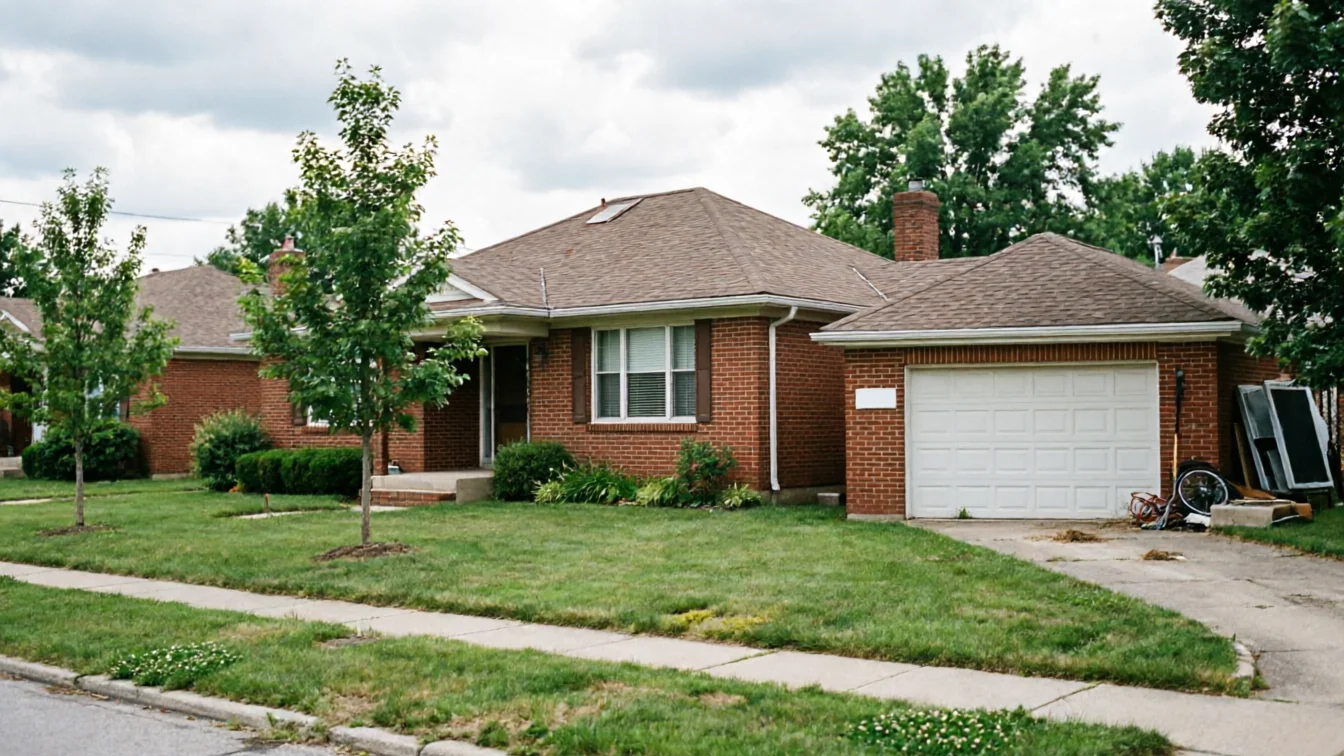
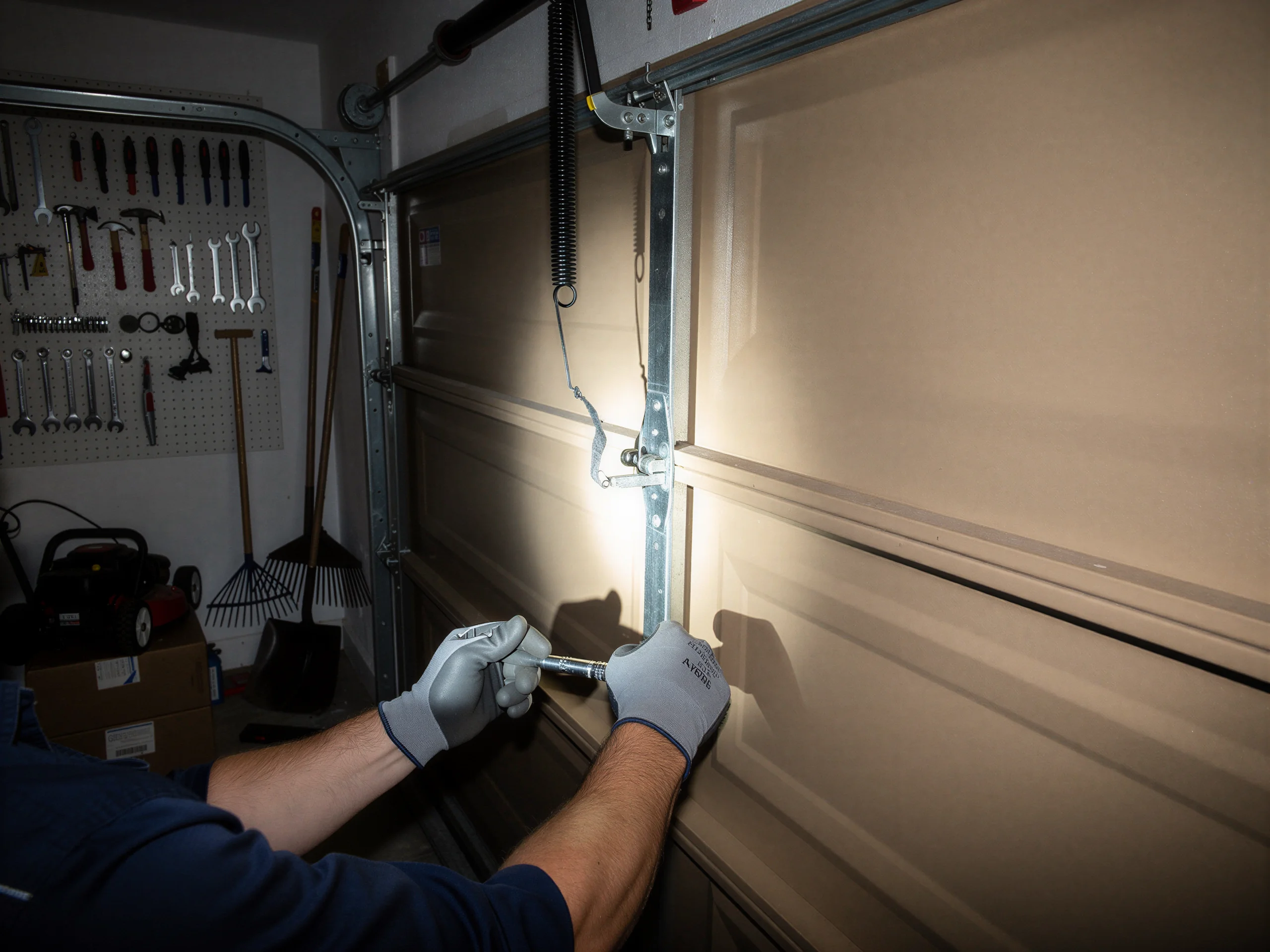
If your door in Ashland has gotten loud, slow, or stuck at the halfway point, the most common cause we run into on newer-build houses is a spring that's simply worn through its cycle life or a roller that's dried out and started grinding. A door that reverses halfway back down is usually a sensor that's drifted out of alignment, not a failing opener - a quick realignment often solves it without replacing anything. If the door won't move at all and the opener light is on, check first whether the manual release cord has been pulled; that's a common and easily fixed cause. Given the area's income levels and the age of the housing stock here, we see fewer calls for doors that need full hardware replacement and more calls for targeted part swaps - springs, sensors, rollers, or an opener board. That's good news for repair cost, but it's still worth having us look before assuming it's a simple fix, since a spring under tension isn't something to adjust yourself.
Questions
Yes. Ashland's median home build year is 2003, newer than much of the wider service area, which runs from 1938 up through 2003 with a lot of 1960s-70s stock. That means Ashland doors are more often standard steel sectional doors with openers from the last couple decades, not older one-piece doors or side-mount torsion hardware.
No. We're based in Jefferson City, about 17 miles from Ashland, and every job here is a dispatch from there. We'll give you a realistic time window when you call rather than claim a local response time we can't back up.
The area sits in a moderate cold climate band, and cold stiffens grease and metal on any door regardless of build year. A slow door in winter on a newer house is often just old lubricant on the rollers, not a sign the hardware itself is failing.
It happens, especially for less common opener models. If we don't have the part that day, we'll order it in rather than install something that isn't the right fit, and let you know the realistic timeline before we commit you to anything.
Explore more
Ready when you are
Jefferson City Garage Door Pros repairs and installs garage doors, springs and openers in Jefferson City, MO and the surrounding area.