
Older single wood panels
In the older end of that range, you're often looking at a single heavy wood panel door on side-mounted hardware, the kind that was standard before sectional doors took over.
Jefferson City, MO
Jefferson City homes built 1938-2003 often carry doors and track sized for a different era. See why installation here isn't a one-size job, and what to expect.
Local causes
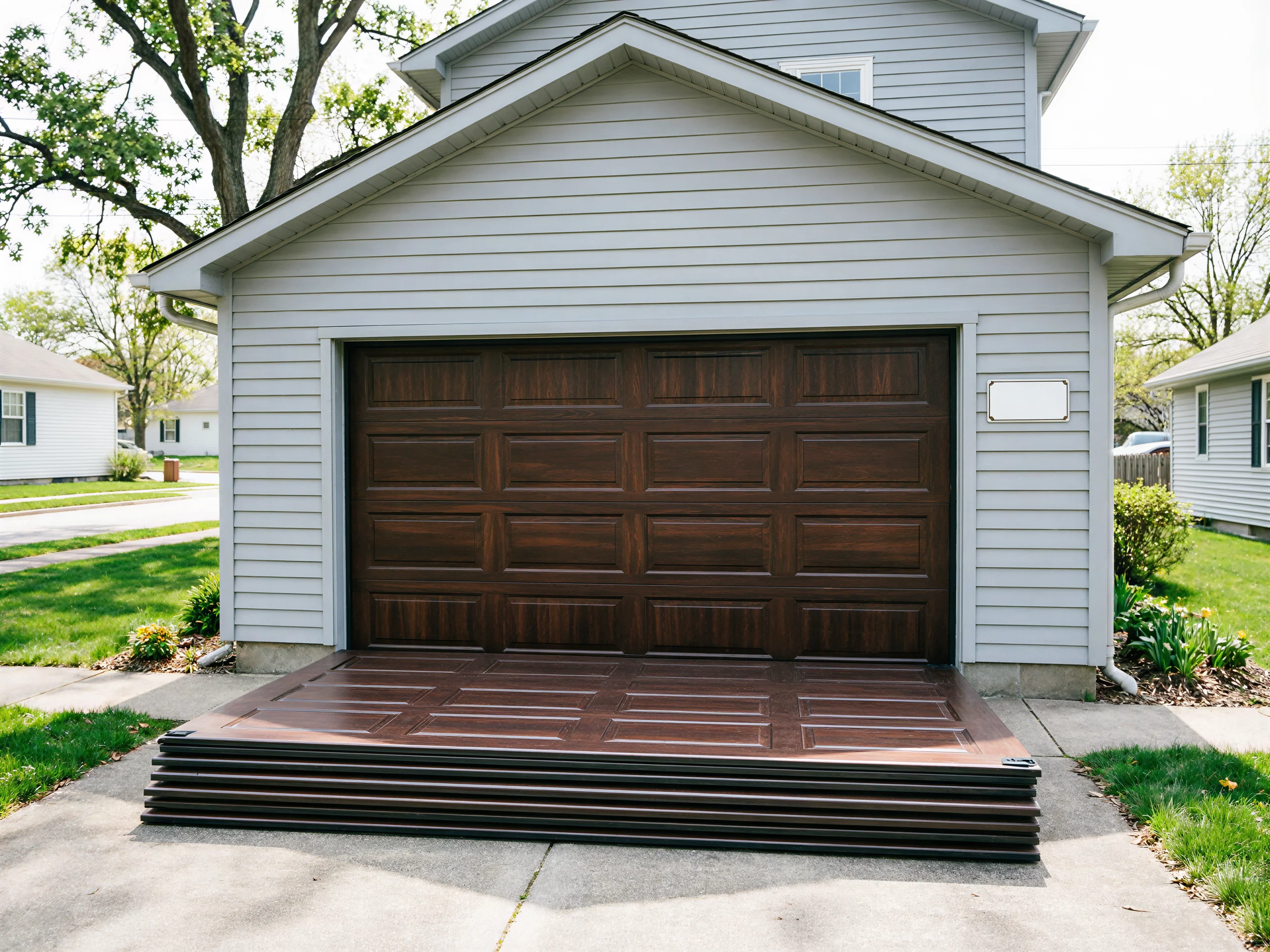
Most of the garages we open up in Jefferson City were framed sometime between 1938 and 2003, with a heavy concentration of houses from the 1960s and 70s across the nine areas we work in. That matters for installation because garage openings from that era weren't standardized the way they are now. You'll find 7-foot headers next to 7-foot-2-inch headers on the same block, jamb widths that are an inch or two off from what a modern pre-hung door kit assumes, and track mounting points drilled for hardware that hasn't been made in decades.
A new door dropped into an old opening without checking these numbers first is how you end up with daylight gaps at the corners or a track that fights the studs instead of sitting flush against them. The cold-moderate winters here make that worse than it would be somewhere milder - a gap that's a nuisance in a warm climate becomes a real draft and condensation problem once temperatures drop and stay down for weeks at a time. Installation in this market is less about the door itself and more about reconciling a modern unit with a 50-plus-year-old rough opening.

DIY or pro
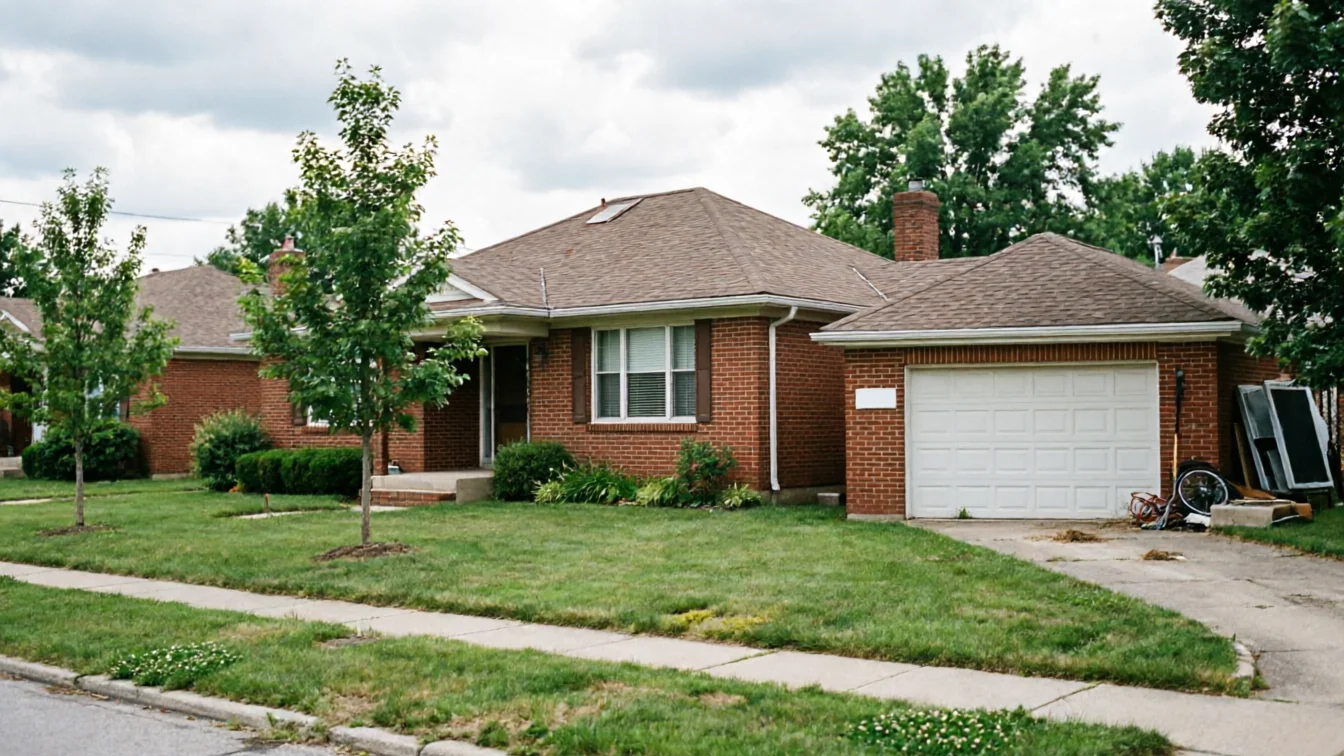
Garage door kits sold at home centers are built around a standard opening, and plenty of Jefferson City garages don't have one. If your house falls into that 1960s-70s band that makes up most of the local stock, there's a decent chance your jamb, header height, or track clearance is off from the kit's spec sheet by an inch or more in one direction.
That's not a reason to avoid the project, but it is a reason to measure before you buy. A door that's slightly undersized for the opening will rack in cold weather as the wood frame contracts, and a door that's oversized gets forced into a frame it doesn't fit, which stresses the track and the opener mount from day one. We don't do the framing carpentry - if your opening needs to be rebuilt square before a door goes in, that's a job for a carpenter first. What we do is tell you honestly, before any order gets placed, whether your opening is standard enough for an off-the-shelf unit or whether you need a custom-sized door instead.
Warning signs
If you're looking at installation right now, it's usually one of two situations. Either the original door from when the house was built - sometime in that 1938 to 2003 range, median around 1974 - has finally worn past the point of another repair, or you're replacing a door that was swapped in at some point and never fit the opening quite right to begin with.
In the older end of that range, you're often looking at a single heavy wood panel door on side-mounted hardware, the kind that was standard before sectional doors took over.
Converting from that to a modern sectional door isn't a straight swap - it usually means new track, new springs sized for the different weight and lift geometry, and sometimes header reinforcement the old single-panel setup never needed.
In the newer end of the range, closer to 2003, you're more likely dealing with an original sectional door that's simply reached the end of its service life, where the fix is closer to a direct replacement.
Watch-outs
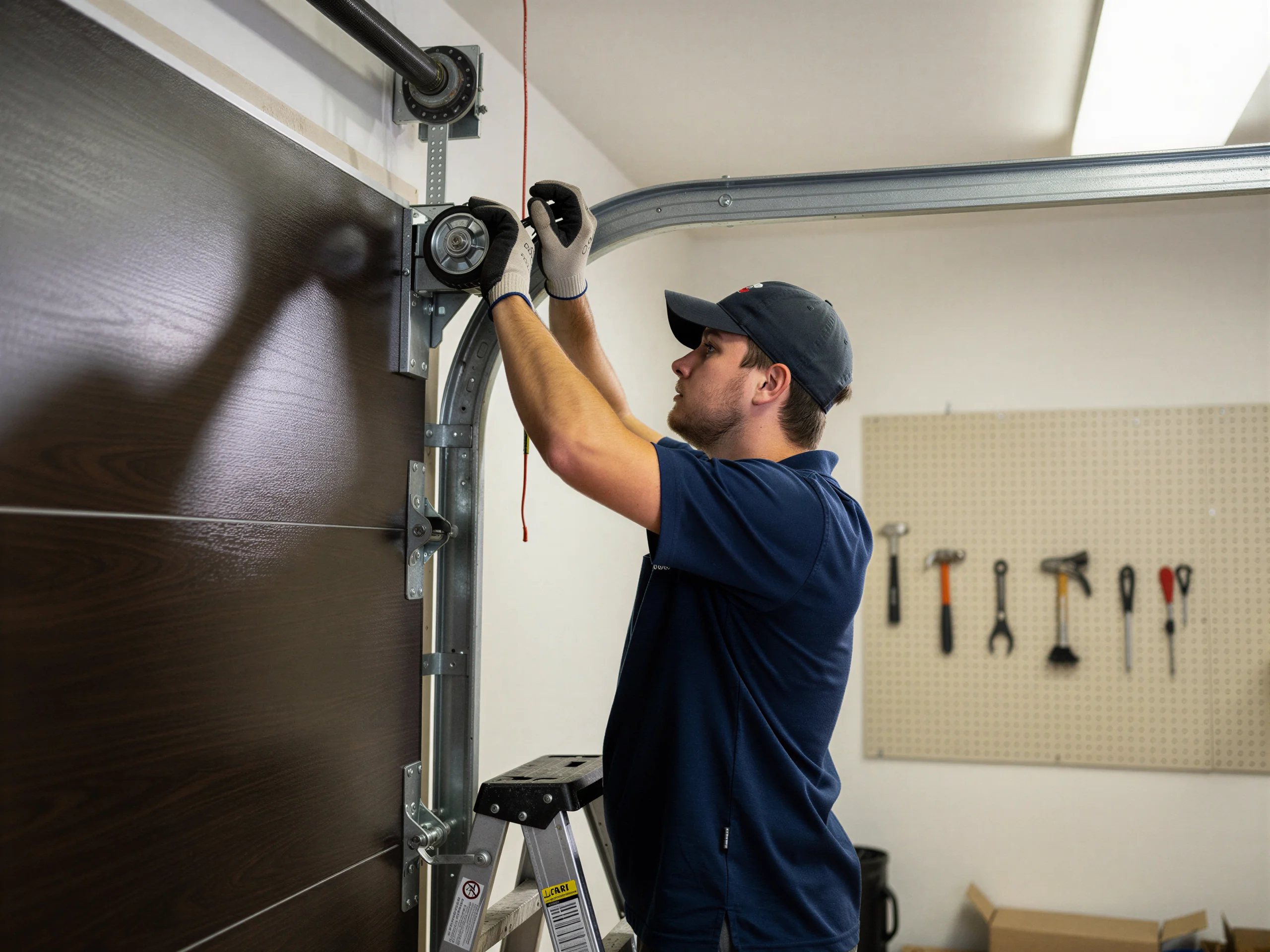
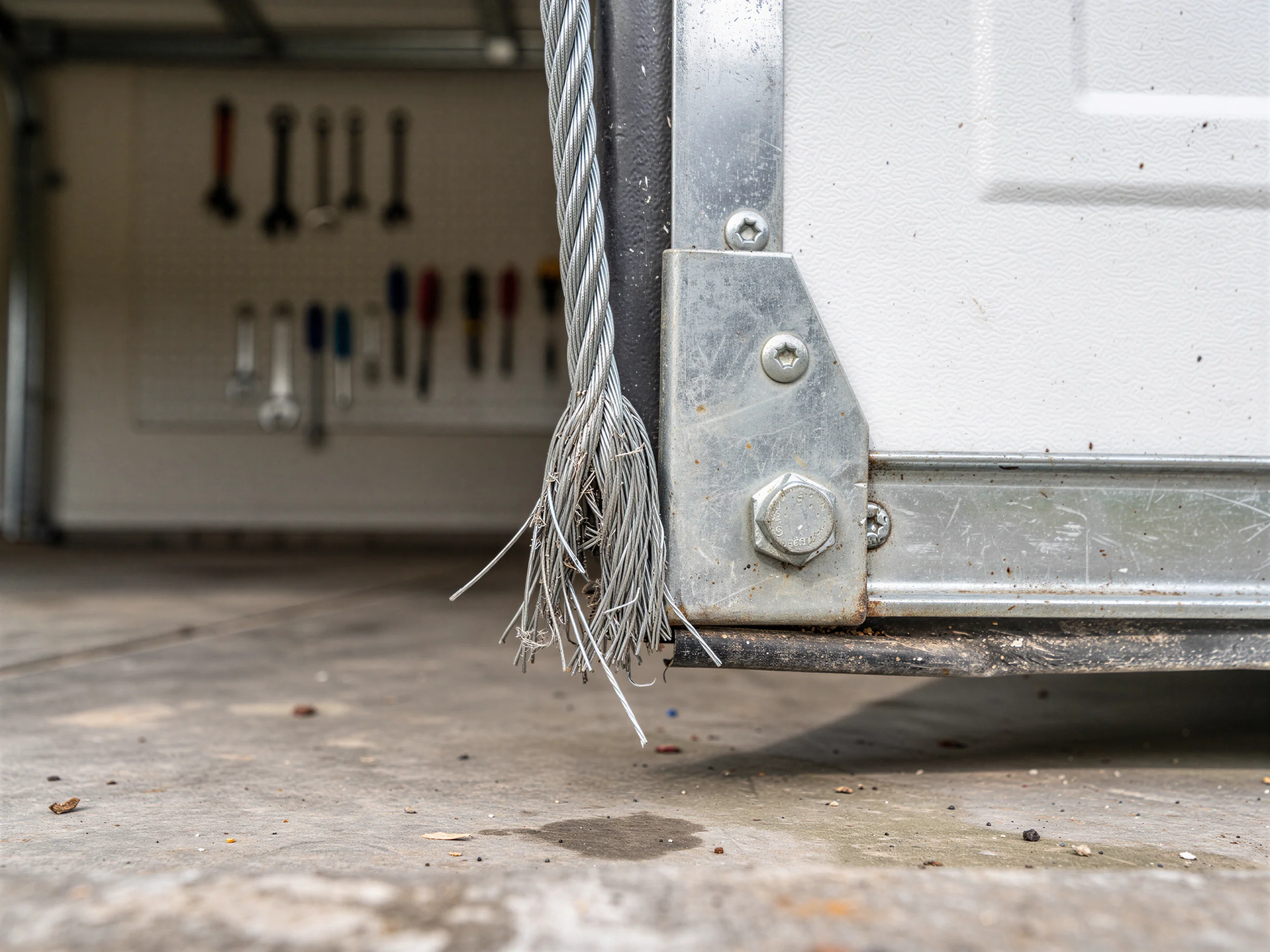
The biggest risk in installation isn't the door, it's the spring system sized wrong for it. A heavier insulated door - which makes sense given how cold the winters get here - needs springs matched to that weight.
Put a door built for this climate on springs sized for a lighter, uninsulated panel and you'll get premature spring failure, usually within a season or two, not years. The other failure point is the opener.
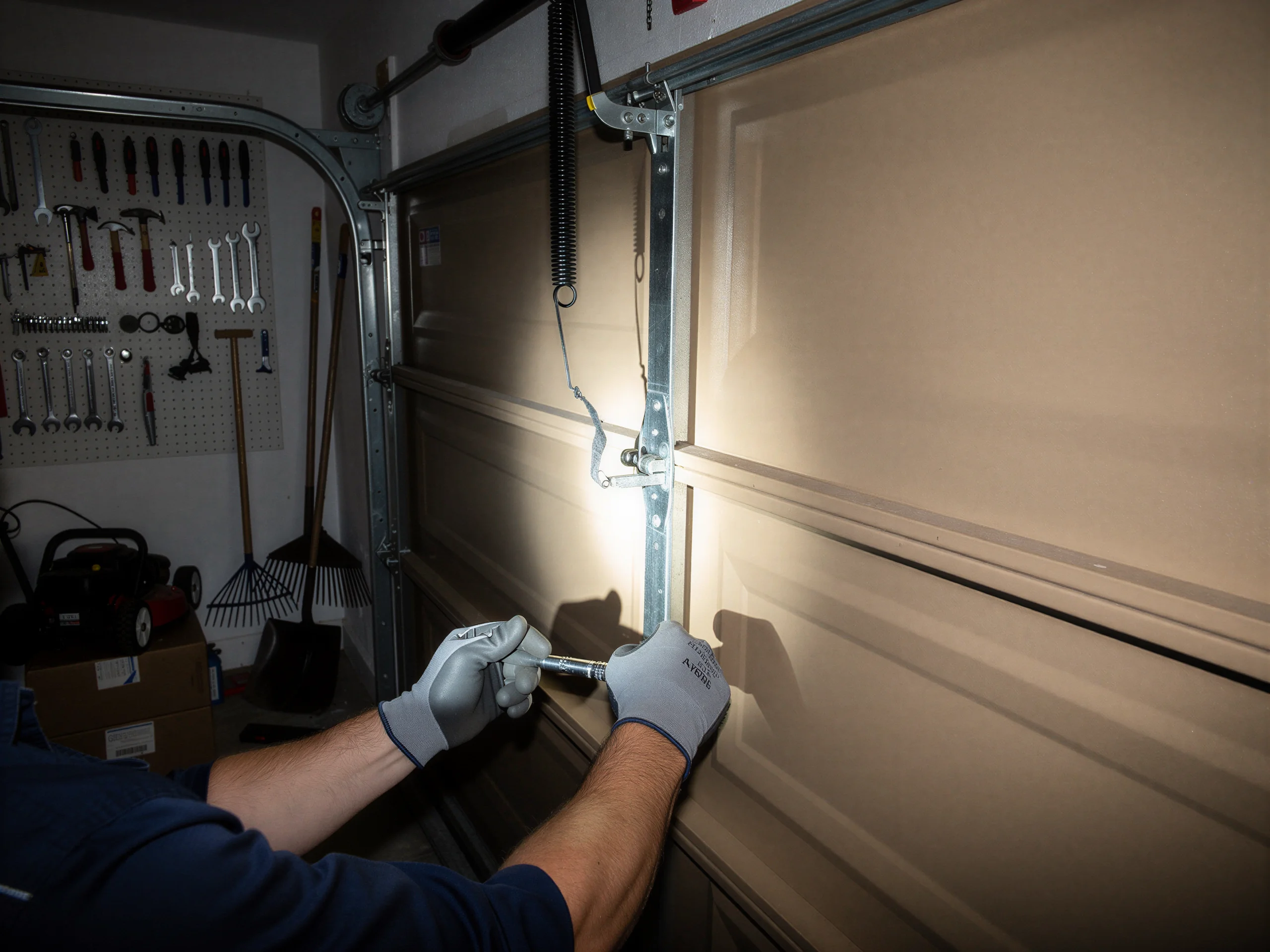
A lot of the installs we see going wrong are cases where a new door got hung but the existing opener - often original to a house from the 60s or 70s - was left in place because it still powers on.
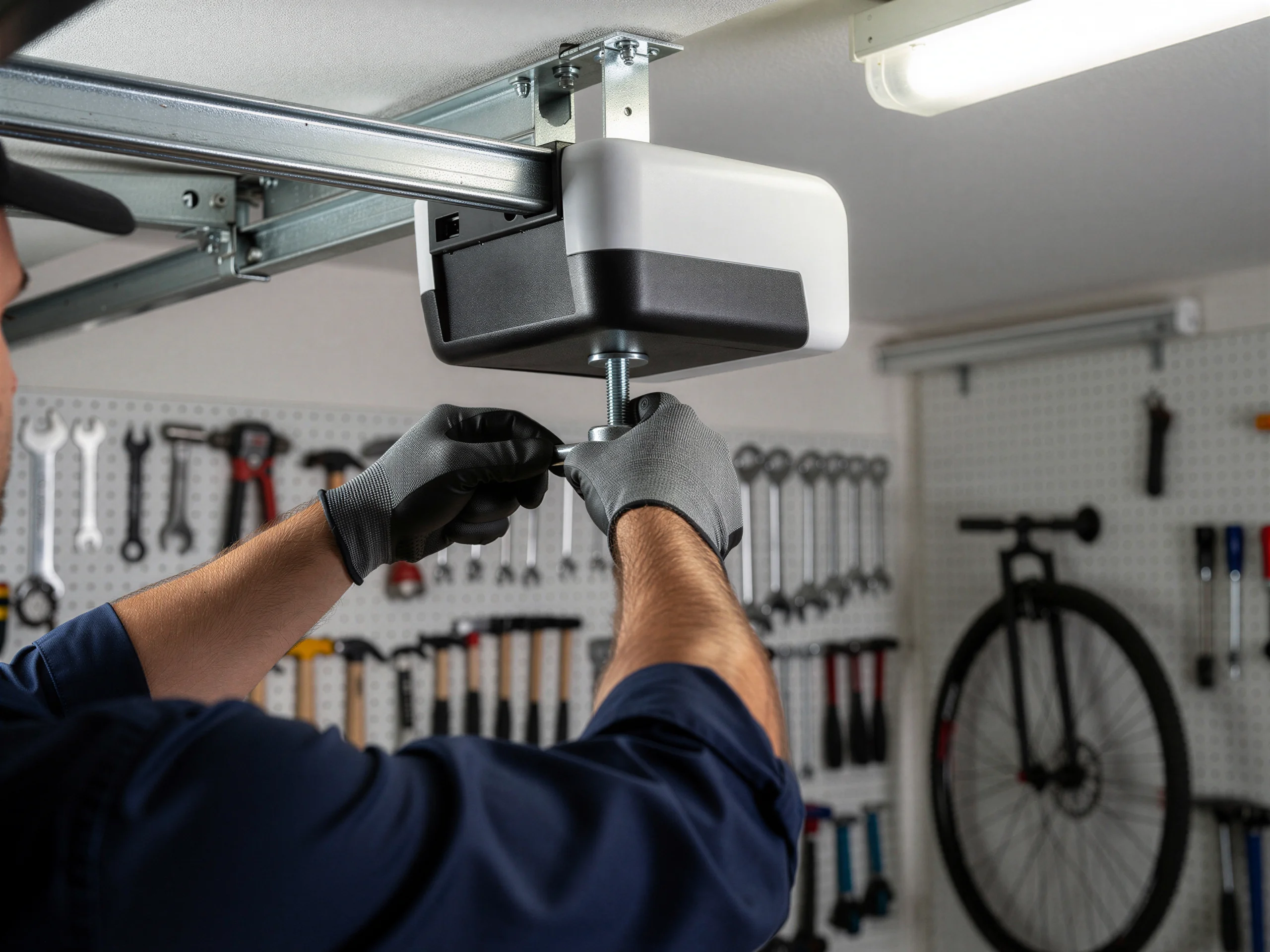
An opener built for a lighter old door can strain to lift a heavier new one, and that shows up as slow travel, grinding, or an opener that eventually burns out trying to do a job it wasn't built for. We always check opener compatibility as part of the quote, not as an afterthought once the door's already hung.
Questions
It depends on when your house was built. A lot of Jefferson City homes from the 1960s and 70s have openings slightly off from today's standard sizes, so we measure your jamb, header height, and track clearance before recommending anything off-the-shelf versus custom-sized.
Not always, but check the weight rating first. An opener sized for an older, lighter door often struggles to lift a newer insulated one built for our winters, which shortens the opener's life. We test compatibility as part of the installation quote.
Jefferson City sits in a cold-moderate climate band, so an insulated door matched with correctly sized springs holds up better through winter than a lighter uninsulated unit built for a milder region. Spring sizing matters more here than in a warmer climate.
Explore more
Ready when you are
Jefferson City Garage Door Pros repairs and installs garage doors, springs and openers in Jefferson City, MO and the surrounding area.