Blog
What's Actually Wrong With Your Garage Door
A look at why garage doors fail on Jefferson City's 1960s-70s housing stock, what to check first, what drives the cost, and how the cold here wears out hardware.
The Problem
Most garage doors in Jefferson City went up during the 1960s and 70s, long before any insulation code applied to the door itself. The housing stock here runs from 1938 to 2003, with the median landing around 1974, spread across nine named areas we work in regularly. That matters because a door built in that window was never designed to hold heat in or keep a cold snap out - it's a sheet of steel or wood on a frame, nothing more.
What that means in practice: original panels with no foam core, weatherstripping that's been replaced a few times but never upgraded in style, and torsion hardware sized for a lighter door than what might be hanging there now if someone swapped it out over the decades. The failures we see aren't random. They track with the build era. A spring rated for a 1970s-weight door doesn't love being asked to lift a heavier insulated replacement panel, and a track set square for a house settled fifty years ago isn't always square today.
The honest version: not every old door is a bad door. Plenty of 1960s hardware still runs fine with basic upkeep. The problem shows up when nobody's looked at it since it was installed.
What to Check
Start with the weatherstripping at the bottom panel and along the sides - on a house from the 1960s-70s stock that makes up most of Jefferson City, this is almost always original-style vinyl that's gone stiff and cracked, not the door itself failing. Pull on it. If it crumbles, that's your air leak, not a structural issue.
Next, look at the torsion spring. Surface rust along the coils is common on doors this age and isn't automatically a problem, but flaking or a visible gap in the coil is. Don't touch a wound spring yourself - that's not a DIY repair regardless of how old the door is.
Check the rollers. Original steel or early nylon rollers from a 1970s install often show their age as grinding or a door that jerks instead of gliding. And check track alignment at the bottom brackets, since houses in this age range have had fifty-plus years of minor foundation settling that can nudge a track out of plumb. None of this requires tools beyond a flashlight and a step back to watch the door move through a full cycle.
What You Pay
We don't have a flat number to hand you here, and anyone who quotes one without seeing the door is guessing. What actually drives the cost on a job in this area is the age and type of hardware already on the house. A door still running original 1960s-70s torsion springs and track often needs full hardware replacement rather than a patch, because parts for that generation aren't something most suppliers keep on the shelf anymore - that's a real lead-time issue, not a sales pitch.
Household income across the service area runs a median of $74,750, and we price jobs with that in mind rather than assuming every house needs the top-tier insulated door. For a lot of homes here, a straightforward hardware repair gets the door back to reliable without touching the panel at all. Panel replacement only makes sense when the door itself is damaged or when the insulation gap is actually costing you on heating. We'll tell you straight if a repair isn't worth it versus a new door - that call depends on what's actually broken, not on the make of the door.
What the Weather Here Does to It
Jefferson City sits in a cold-moderate climate band, and that band is what actually damages doors here, not just age. The freeze-thaw swing stiffens lubricant in torsion springs and tightens steel track just enough that a door which ran fine in October starts binding in January. Nylon rollers from an older install get brittle in a hard cold snap and can crack on a cycle they'd have handled fine in warmer weather.
Condensation is the other piece. A garage that sits a few degrees warmer than the outside air on a cold morning gets moisture on an uninsulated steel panel - common on the 1960s-70s stock across this area - and that moisture is what starts the rust you see on hardware and the bottom of the panel first. It's slow, and it's cumulative, which is why a door that looked fine two winters ago is the one sticking now.
We don't have weather-event data to point to beyond the climate band itself, so we won't tell you this is driven by any specific storm or season - it's the day-to-day cold cycling that does the work over years, not a single event.
Questions
Common questions
Why does my garage door stick every winter but run fine in summer?
It's the cold-moderate climate cycling here. Lubricant in the torsion spring stiffens, steel track contracts slightly, and older nylon rollers get brittle. On a door with original 1960s-70s hardware, that seasonal swing is often enough to turn a smooth cycle into a binding one until temperatures come back up.
Is my door's age actually the problem, or is it something else?
Age by itself isn't the issue - plenty of houses from the 1960s-70s stock still run their original hardware fine. The problem is usually weatherstripping that was never upgraded, or a spring sized for a lighter door than what's on the house now after a past panel swap.
Do you serve areas outside Jefferson City itself?
Yes - our service area covers Jefferson City and the surrounding towns including Holts Summit, St. Martins, New Bloomfield, Westphalia, Russellville, Ashland, Mokane, Linn, and Eugene.
Recommendation
You Might Also Like
More garage door guides for Jefferson City homeowners.
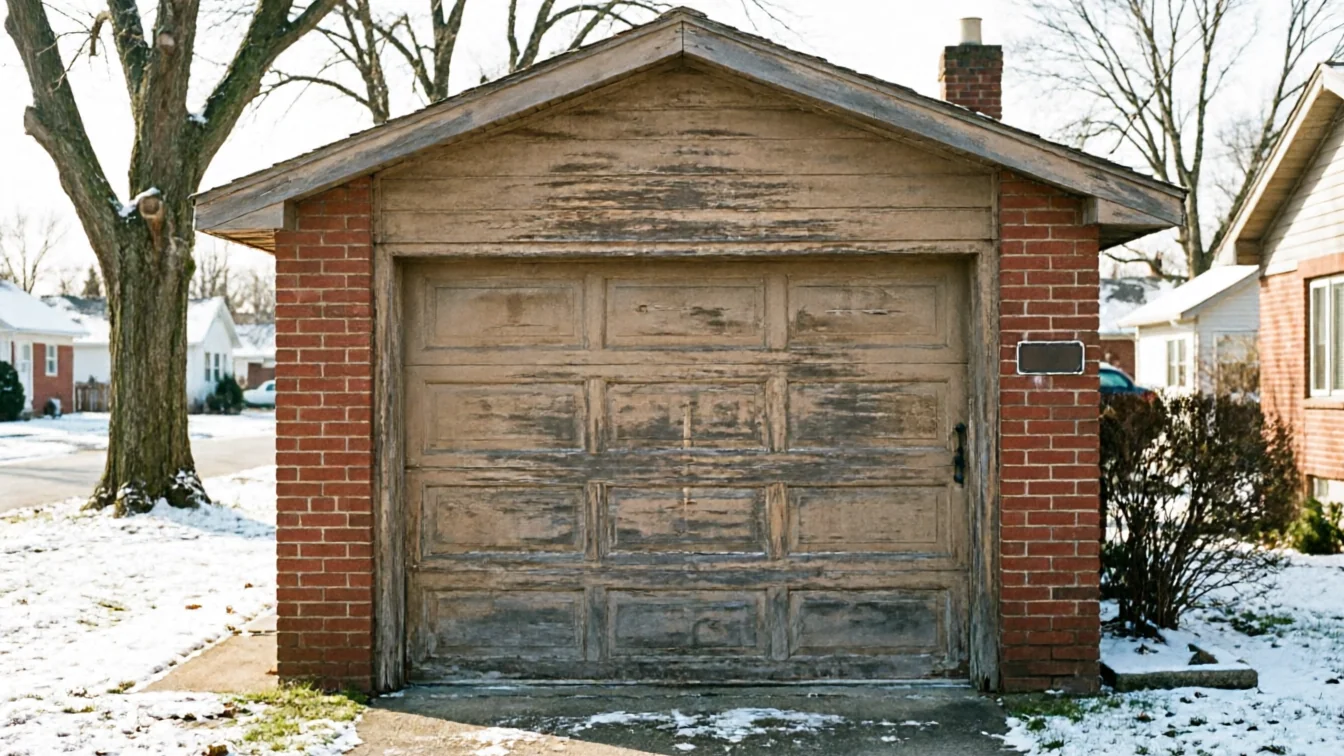
When the Spring Goes in the Cold: A Jefferson City Guide
Why garage door springs snap in Jefferson City's cold winters, what to check on 1960s-70s stock homes, and what actually drives repair cost here.
Read guide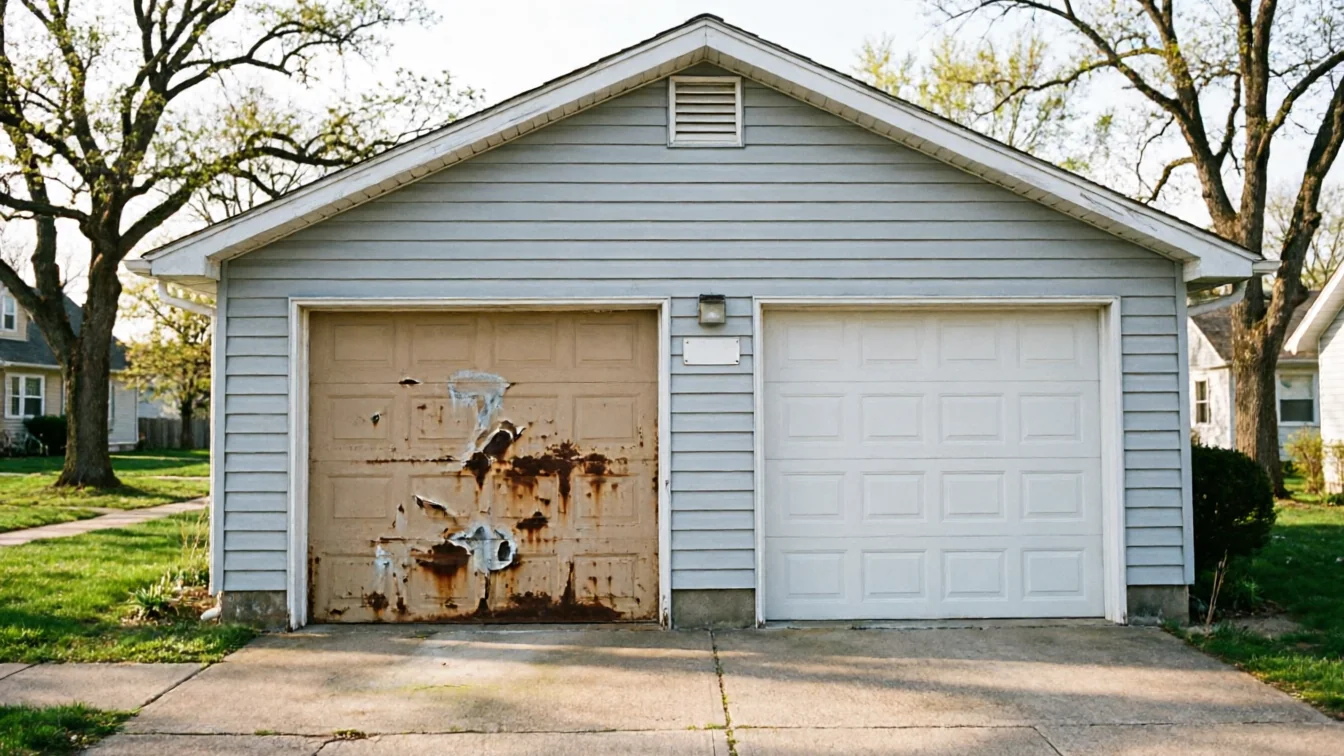
When the Opener Dies and the Power Goes With It
Why older Jefferson City homes lose opener power in storms, what to check before you call, and what the 1960s-70s housing stock here means for repairs.
Read guide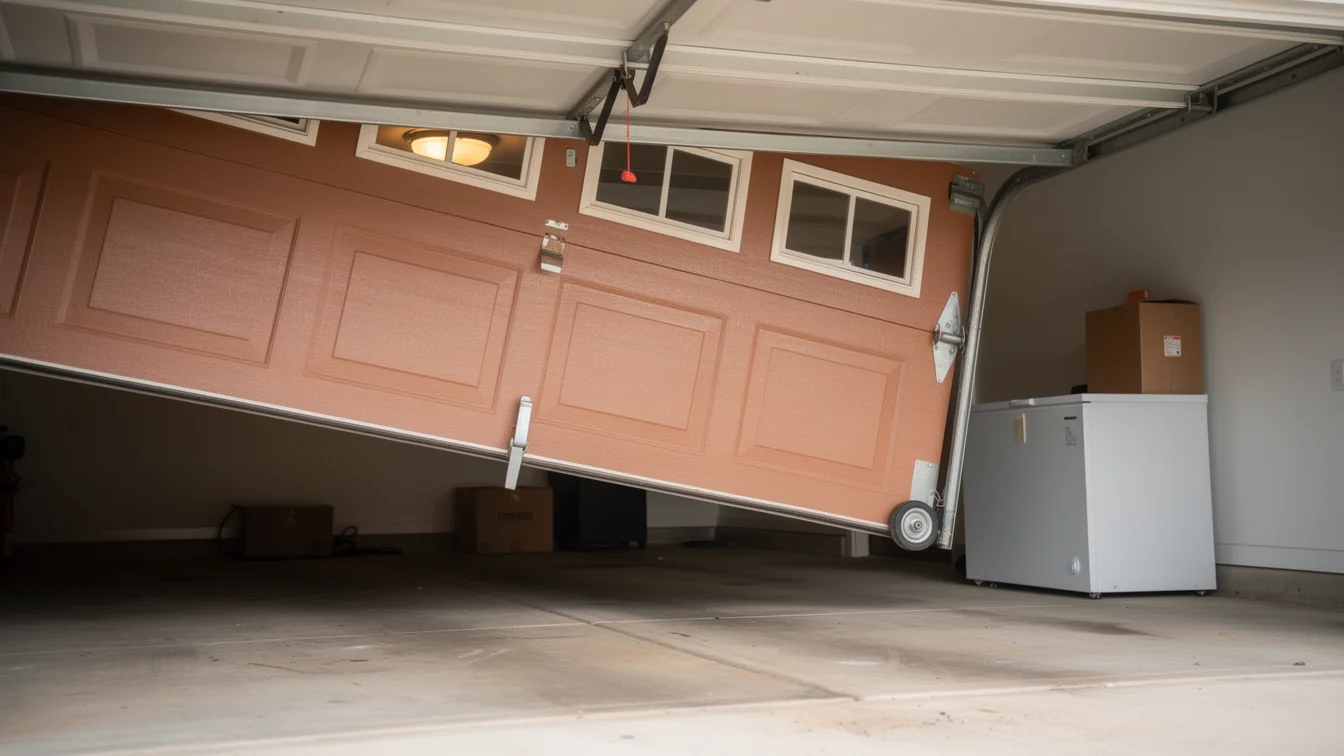
What Actually Happens During a Jefferson City Service Call
A clear look at what a Jefferson City garage door service call checks, costs, and why homes built 1938-2003 here fail the way they do.
Read guideReady when you are
Need a garage door sorted in Jefferson City?
Jefferson City Garage Door Pros repairs and installs garage doors, springs and openers in Jefferson City, MO and the surrounding area.