Blog
What That Noise Actually Means
A grinding, popping, or screeching garage door in Jefferson City usually points to one of a handful of causes tied to the age of the hardware. Here's how to tell which.
The Problem
Most of the garage doors we get called out to in the Jefferson City area were installed on houses built somewhere between 1938 and 2003, with a lot of that stock going up in the 1960s and 70s across the nine areas we work in. That matters because the noise a door makes tells you something different depending on what decade its hardware came from.
A door from the 60s or 70s era is more likely running on an extension spring system with a stretched spring on each side of the track, rather than the torsion bar setup you'd see on anything built closer to 2000. Extension springs squeal and clank differently than a torsion spring winds down. If your door barks a sharp metallic pop on the way up, that's almost always a torsion spring losing tension or a cable starting to fray. If it's more of a rhythmic clunk-clunk-clunk as the door travels, you're usually looking at rollers that have gone flat or a track that's bent slightly out of plane.
A low grinding hum that gets worse over weeks, not days, is often the opener's gear set wearing down rather than the door itself. None of these noises are random. Each one is the hardware telling you exactly where to look before it fails completely, usually at the worst possible moment - cold morning, car half in the driveway.
What to Check
Start with what you can see without taking anything apart. Stand at the side of the door while someone runs it up and down, and watch the springs if you have torsion (the bar across the top) or extension (one spring per side above the horizontal track). A spring with a visible gap in its coils, or one that looks stretched longer than its twin, is close to done.
Next, check the rollers. On houses from the 1960s-70s stock that makes up most of this area, steel rollers without sealed bearings are common, and after forty-plus years they develop flat spots that thump on every rotation. Run a hand along the track for burrs or rust pitting - cold-climate condensation inside an unheated garage speeds that up.
Listen at the header, where the opener mounts. A whining or buzzing opener motor paired with a door that still moves smoothly is usually the opener, not the door. A door that groans but the opener sounds fine is the reverse.
One thing we won't tell you to check yourself: the torsion spring tension itself. Those are under real load and we don't recommend any homeowner touch the winding cones. That's the one job on this list that's ours, not yours.
What You Pay
We don't post a flat number here because what a noise costs to fix depends on which part is making it, and we're not going to guess at a price without seeing the door. A worn roller is a different job than a cable that's about to let go, and a door from the 1970s with original hardware sometimes needs a part that isn't stocked anymore, which changes the job too.
What we can tell you is that the age spread in this area - homes built anywhere from 1938 to 2003, median around 1974 - means two houses on the same street can need completely different parts. One homeowner calls about a noise and needs a $40 roller set. The next calls about what sounds like the same noise and needs a full spring replacement because the hardware is original to a house from the 1970s.
We'll look at the door, tell you what's actually making the noise, and give you a number before we touch anything. If a repair doesn't make sense against the cost of a new door, we'll say so instead of running up a bill on a door that's at the end of its life anyway.
What the Weather Here Does to It
This area sits in a cold moderate climate band, which means the garage door hardware goes through a real freeze-thaw cycle every winter, not just a few cold snaps. Steel springs lose a little flexibility in the cold, so a spring that's already near the end of its life is more likely to snap on a January morning than a July afternoon. That sudden loud bang you hear on a cold morning, followed by a door that won't budge, is almost always the torsion spring letting go under the extra strain of stiff, cold steel.
Condensation is the other piece. An unheated garage in this climate cycles through damp and dry enough times each year that bare steel track and rollers without sealed bearings start to surface-rust, and rusted rollers are noisier than clean ones well before they actually fail. If your door has gotten louder specifically over the cold months and then quieted down again in spring, that's condensation and temperature swing working on the metal, not a sign anything's actually broken yet - though it's worth getting ahead of before it is.
Questions
Common questions
My door makes a loud bang and then won't open - what is that?
That's almost always a torsion spring breaking, and it's more common on cold mornings here because cold steel is stiffer and more likely to snap under tension that's already been building for years. Don't try to force the door open manually. Call and we'll replace the spring - this isn't a DIY repair given the load those springs carry.
Why does my door get noisier every winter and then quiet down in spring?
That pattern points to condensation and temperature swings working on bare steel track and rollers rather than a part that's actually failing. The cold-moderate climate here puts hardware through real freeze-thaw cycles each year, and surface rust on rollers makes noise well before it causes failure. Worth a look before it does.
Is it the rollers or the opener making that sound?
Watch the door while it runs. A rhythmic thump in time with the door's movement is almost always rollers, especially the original steel rollers common on houses from the 1960s-70s stock in this area. A steady whine or buzz coming from the header, regardless of how smoothly the door moves, points to the opener motor instead.
Can I just tighten or lubricate things myself?
Lubricating the track and hinges is fine and worth doing. Touching the torsion spring or its winding cones is not - those carry enough stored tension to cause serious injury, and we don't recommend any homeowner work on them. Everything else on the door is reasonable to inspect yourself before calling.
Recommendation
You Might Also Like
More garage door guides for Jefferson City homeowners.
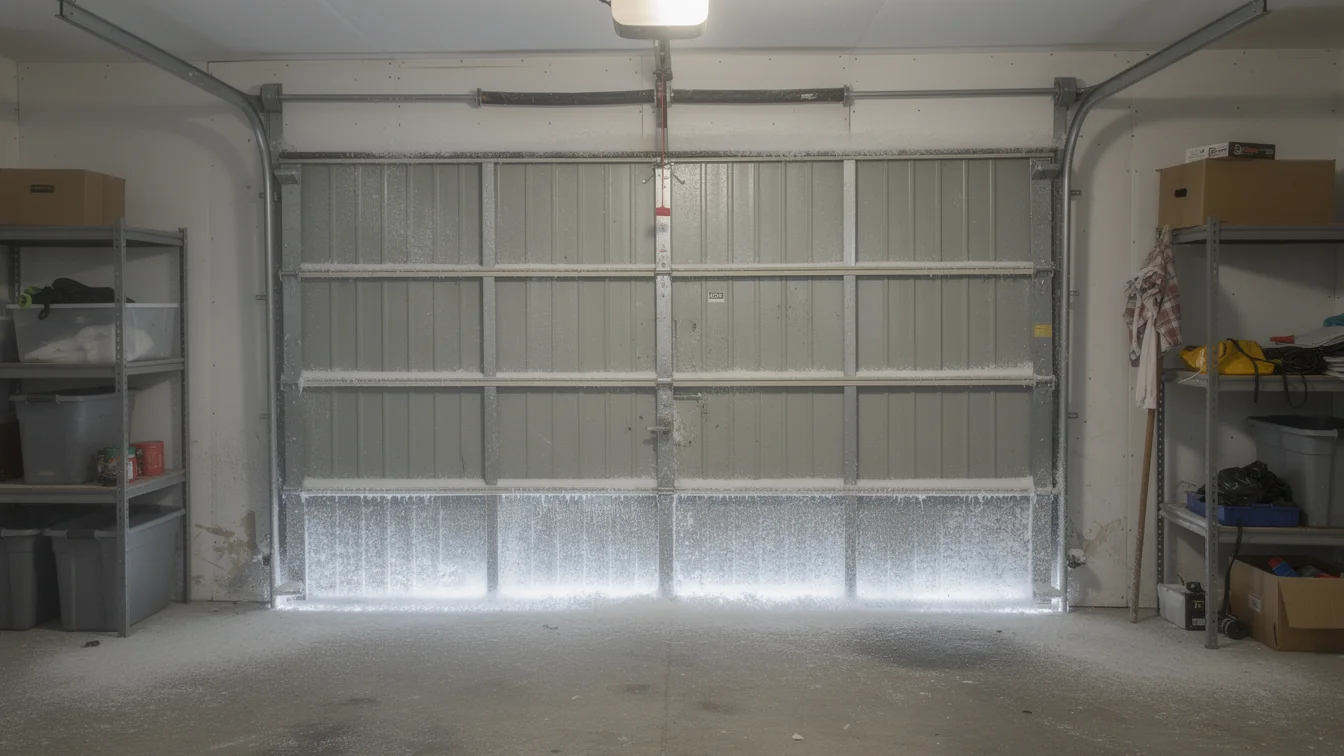
What's Actually Wrong With Your Garage Door
A look at why garage doors fail on Jefferson City's 1960s-70s housing stock, what to check first, what drives the cost, and how the cold here wears out hardware.
Read guide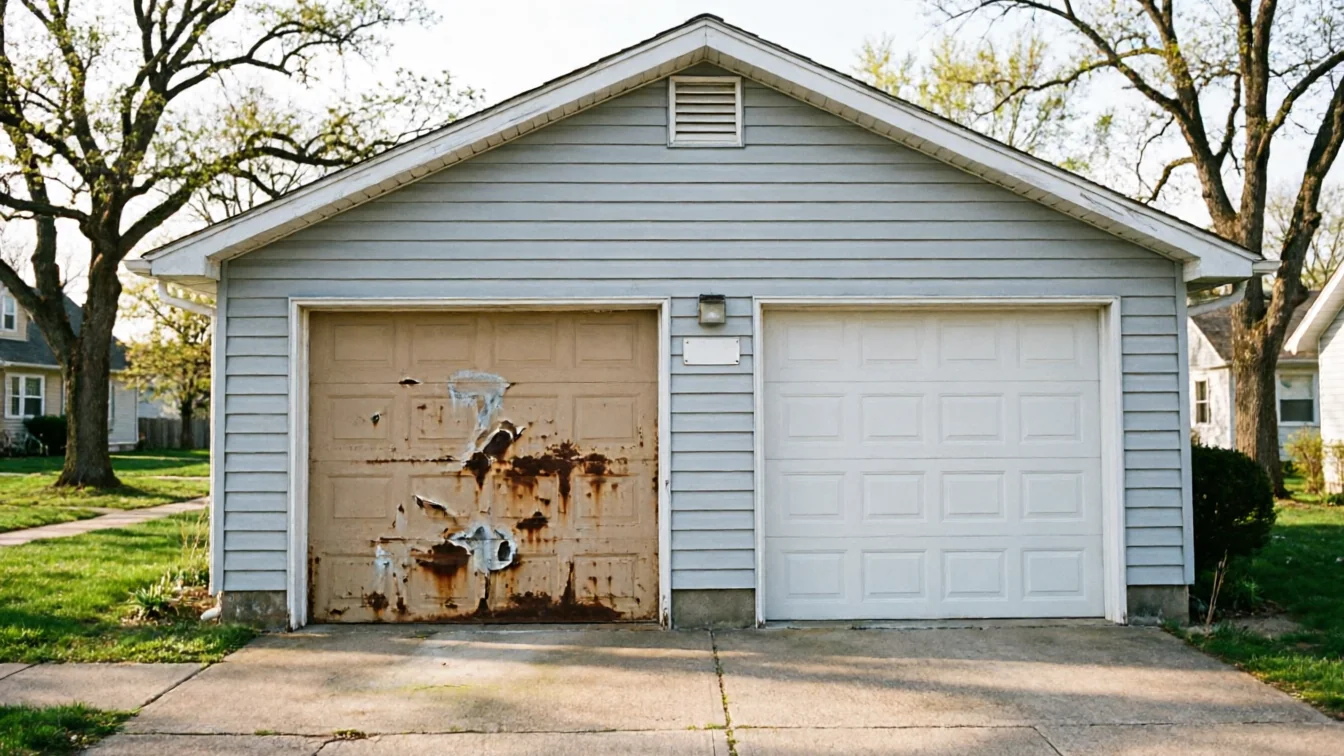
When the Opener Dies and the Power Goes With It
Why older Jefferson City homes lose opener power in storms, what to check before you call, and what the 1960s-70s housing stock here means for repairs.
Read guide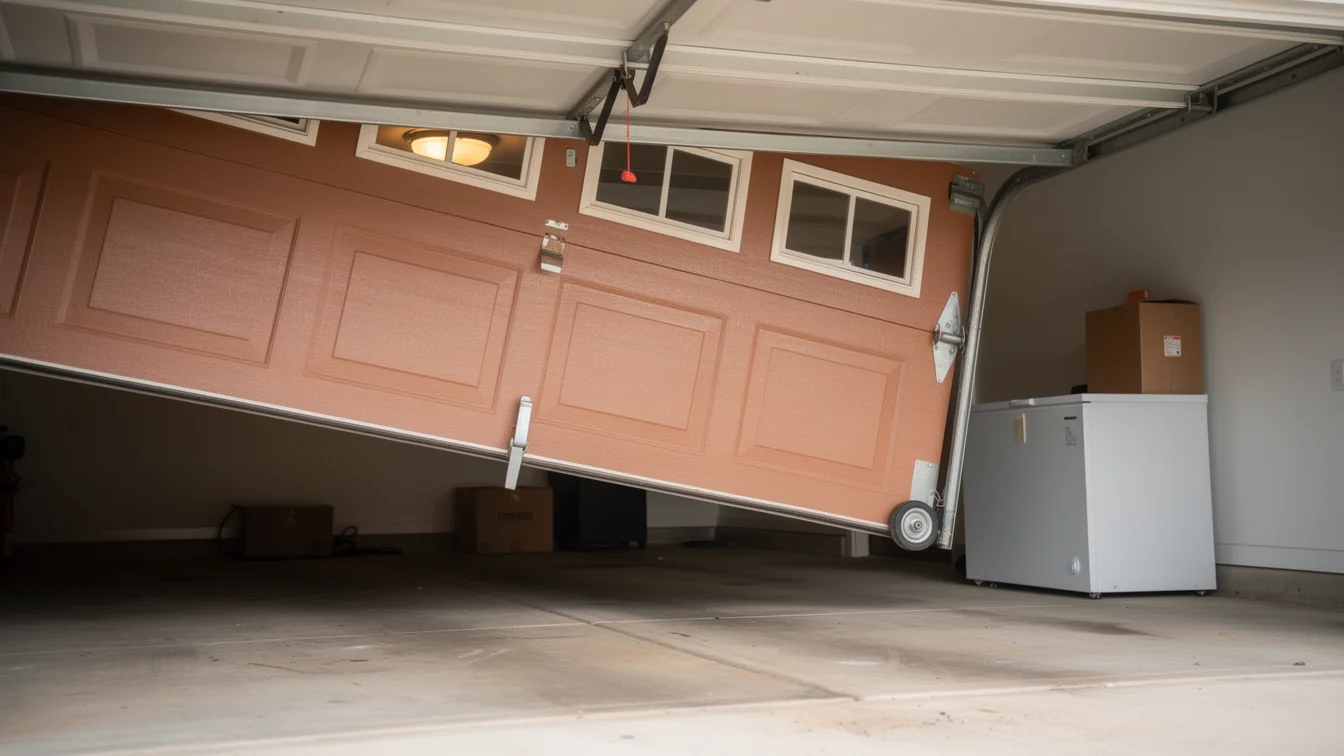
What Actually Happens During a Jefferson City Service Call
A clear look at what a Jefferson City garage door service call checks, costs, and why homes built 1938-2003 here fail the way they do.
Read guideReady when you are
Need a garage door sorted in Jefferson City?
Jefferson City Garage Door Pros repairs and installs garage doors, springs and openers in Jefferson City, MO and the surrounding area.