
Old wiring swap-in limit
Here's the honest limitation: if your garage was wired in the 1960s or '70s and never touched since, a straight swap-in of a new opener onto old wiring is a corner we won't cut, and you shouldn't either.
Jefferson City, MO
Opener failures in Jefferson City often trace to 1960s-70s wiring and cold-season strain. See why replacement beats patching and what a new install actually involves.
Local causes
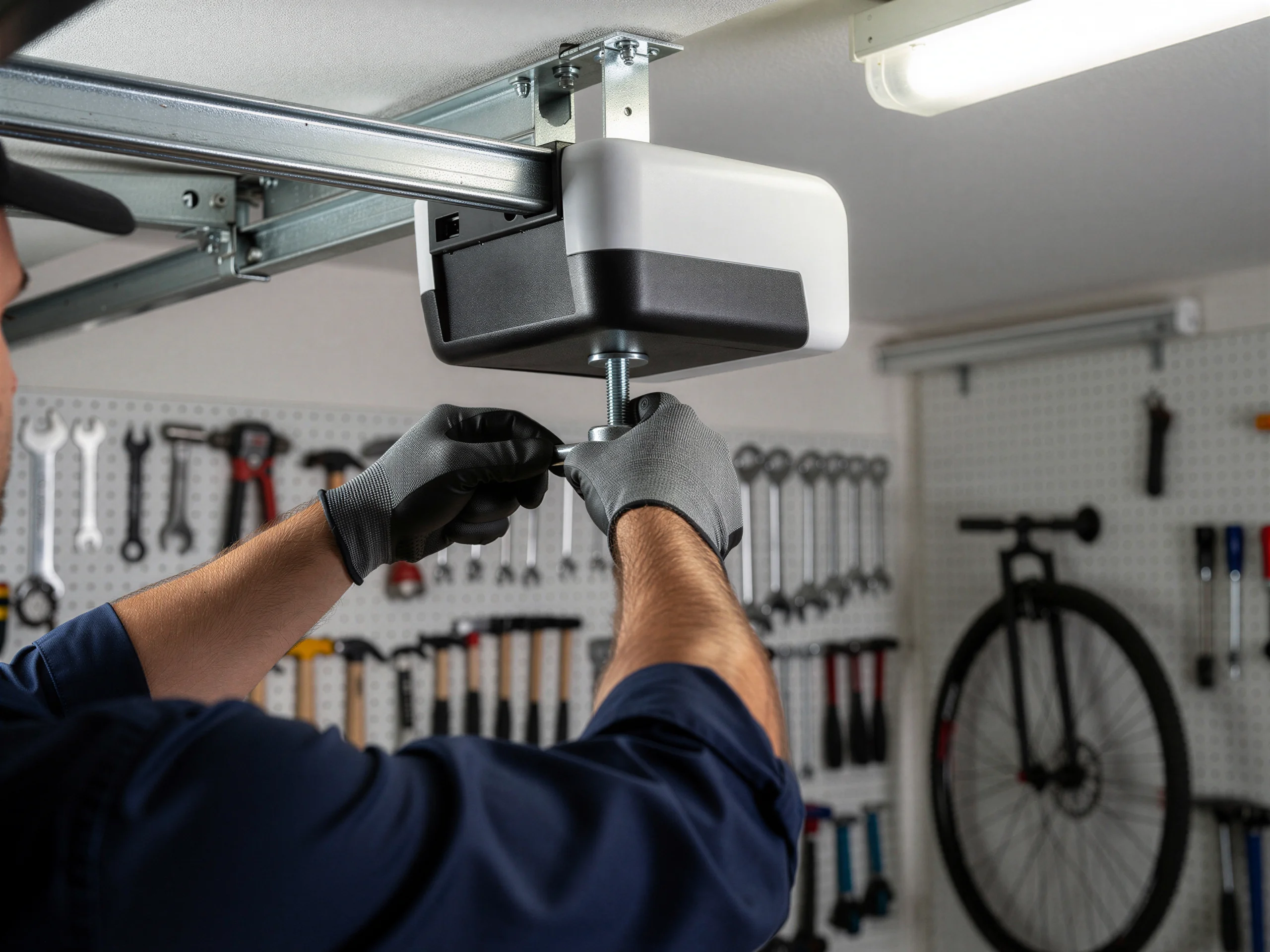
Most of the housing stock in this service area went up between 1938 and 2003, with the median build year sitting around 1974. That means a lot of garages still running the opener that came with the house, or a replacement from decades back, wired into a panel that was never upgraded for anything newer than a single chain-drive unit. Across the nine named areas that make up this market, the bulk of homes date to the 1960s and '70s, which is exactly the era when garages were built with minimal insulation and basic electrical runs - fine for the opener of that time, not built for the load of a modern unit with a camera, Wi-Fi module, and battery backup.
Add the climate. This area sits in a cold-moderate band, which means openers see real temperature swings - summer heat that dries out old lubricant in the gearing, and winter cold that makes aging capacitors and worn nylon gears fail right when you need the door to close fast. An opener that's limped along for fifteen years in a mild climate might hold on. One that's done fifteen winters here usually doesn't. This isn't a general garage door problem - it's what happens when 1970s wiring and hardware meet a climate that stresses both ends of the thermometer.
DIY or pro
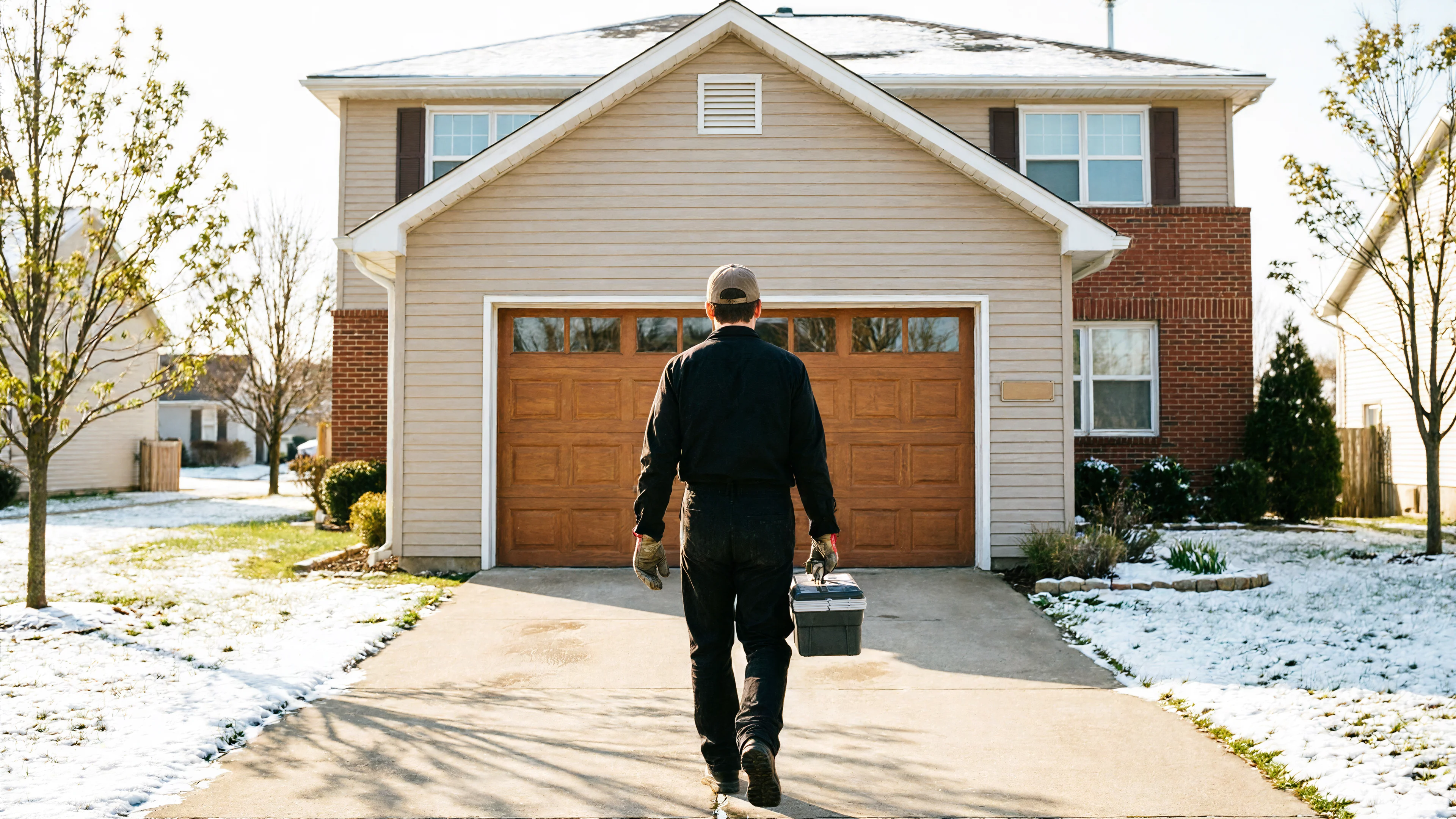
You can buy an opener at a hardware store and bolt it to the ceiling yourself. The kits are made for that. Where it gets complicated in houses from this area's build era is everything around the opener: the electrical outlet may not be grounded to current code, the header bracket over the door might be original lumber that's shrunk or split, and the safety sensors need line-of-sight alignment that a sagging older track won't give you.
Here's the honest limitation: if your garage was wired in the 1960s or '70s and never touched since, a straight swap-in of a new opener onto old wiring is a corner we won't cut, and you shouldn't either.
It's not that the install is hard - it's that doing it right sometimes means addressing the outlet or the bracket first, which turns a two-hour job into something longer.
If you're comfortable with that scope and have the tools, a basic chain-drive swap is within reach for a confident homeowner. Anything involving a header replacement, new wiring, or a belt-drive unit with smart features is where most people call it in.
Warning signs
The opener that's failing usually gives warning signs before it quits outright. The motor hums but the door doesn't move - that's often a stripped gear, common once a unit has run through a decade or more of this area's seasonal swings.
The door reverses partway up or down for no reason, which points to a sensor or limit switch that's drifted out of adjustment, something that happens more on older track mounted during original construction than on a recently leveled rail.
In houses built across the 1938-2003 range that makes up most of this area's stock, you'll also see remotes that work intermittently - frequency drift in an old receiver board - and a keypad that's stopped responding because the wiring behind it was never meant to carry today's draw.
None of this means the whole door system is bad. It usually means the opener itself has reached the end of what thirty-plus-year-old hardware offers, and the rest of the door - track, springs, panels - may be fine.
Watch-outs
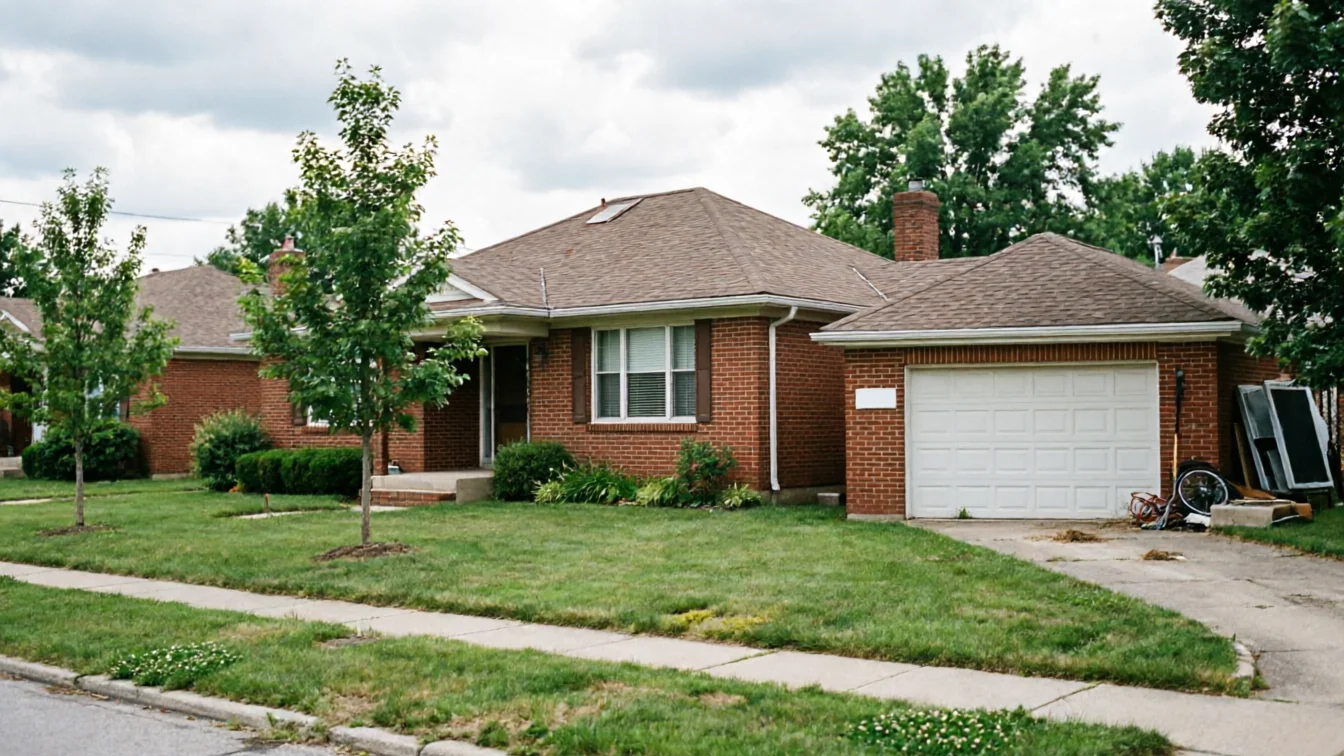
An opener that fails slowly is a nuisance. One that fails suddenly, mid-cycle, can leave a heavy door hanging on a cable or chain that was never designed to hold position indefinitely. In a service area with 3,182 owner-occupied houses out of 5,822 households, that's a lot of garages where the door is the main entry used daily, not a side convenience.
Cold makes it worse. When a worn opener strains against stiff winter grease, the motor draws more current than it should, and that's how you burn out a circuit board instead of just a gear.
Questions
If the door is heavy to lift by hand with the opener disconnected, that's springs, not the opener. If it lifts easily by hand but the opener won't move it, or moves it partway and stops, that points to the opener - the motor, gearing, or the circuit board that controls it.
In most cases yes, if the track and header are sound. Homes in this area built between 1938 and 2003 often have original brackets that need a look before a new opener goes up - not always a replacement, but worth checking so the new motor isn't straining against an old mount.
With median household income around $74,750 across the service area, a mid-tier belt-drive opener with app control is a common and reasonable pick - not the cheapest unit, not the top-shelf one. What matters more than the smart features is whether your garage wiring and header can support it properly.
Explore more
Ready when you are
Jefferson City Garage Door Pros repairs and installs garage doors, springs and openers in Jefferson City, MO and the surrounding area.