Jefferson City, MOSame-day service/Free estimates/Licensed & insured(573) 235-7235

Jefferson City, MO

Garage Door Repair in Jefferson City, Built for 1960s-70s Homes

Jefferson City garage doors mostly date to the 1960s-70s building boom; our cold-climate-rated springs and tracks handle winter swings without failing.

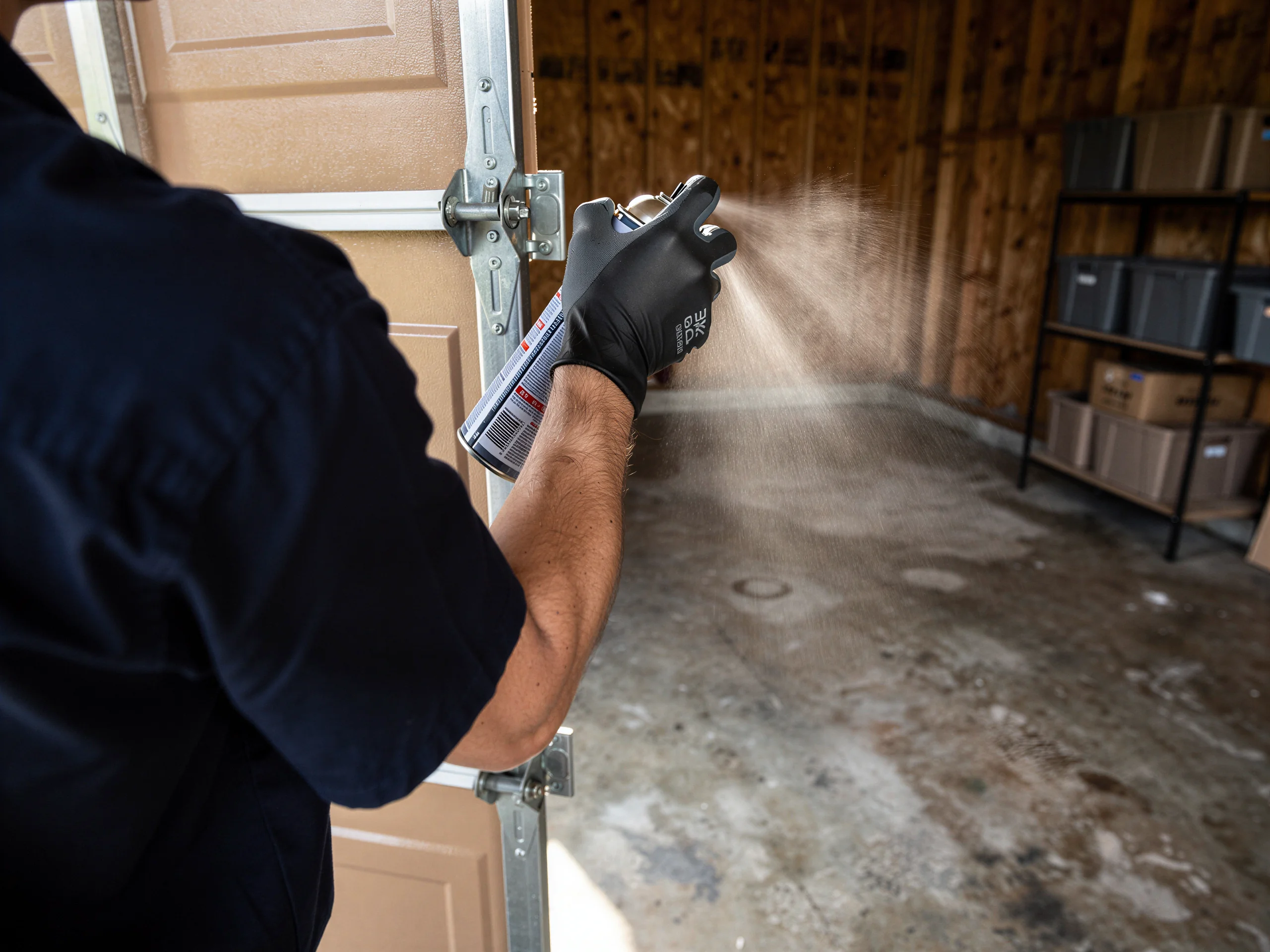
A technician sprays lubricant on a garage door hinge.
What we do
  • Garage Door Repair
  • New Door Installation
  • Springs & Openers
Serving Jefferson City, MOBackground-checked techsHonest, upfront pricingFast local response
Local
Crews that work this area daily
Same-day
Response for most repair calls
Upfront
Pricing agreed before we start
Insured
Background-checked technicians

Local causes

Why This Fails Locally

Most houses in the Jefferson City area went up between 1938 and 2003, with the typical build year landing around 1974 - right in the middle of a long run of 1960s and 70s construction across the nine areas we work in. Doors and openers installed during that build-out are old enough that the galvanized torsion springs have cycled past their rated life, and the steel brackets holding them were sized for lighter wood-panel doors, not the heavier insulated steel doors many owners have since installed. Add in a cold moderate climate where temperatures swing well below freezing in winter and climb back into summer heat, and you get metal that contracts and expands every season. A spring wound tight in a 20-degree garage behaves differently than the same spring on a 90-degree July afternoon, and hardware from the 1960s and 70s wasn't built with that stress cycle in mind for forty-plus years of service. That combination - older stock, later heavier doors, and real seasonal temperature swings - is why the same fault shows up on so many driveways around town, not because the equipment the next town bought is different, but because a 1974 median build year with this climate band wears a torsion system down in a specific, repeatable way.

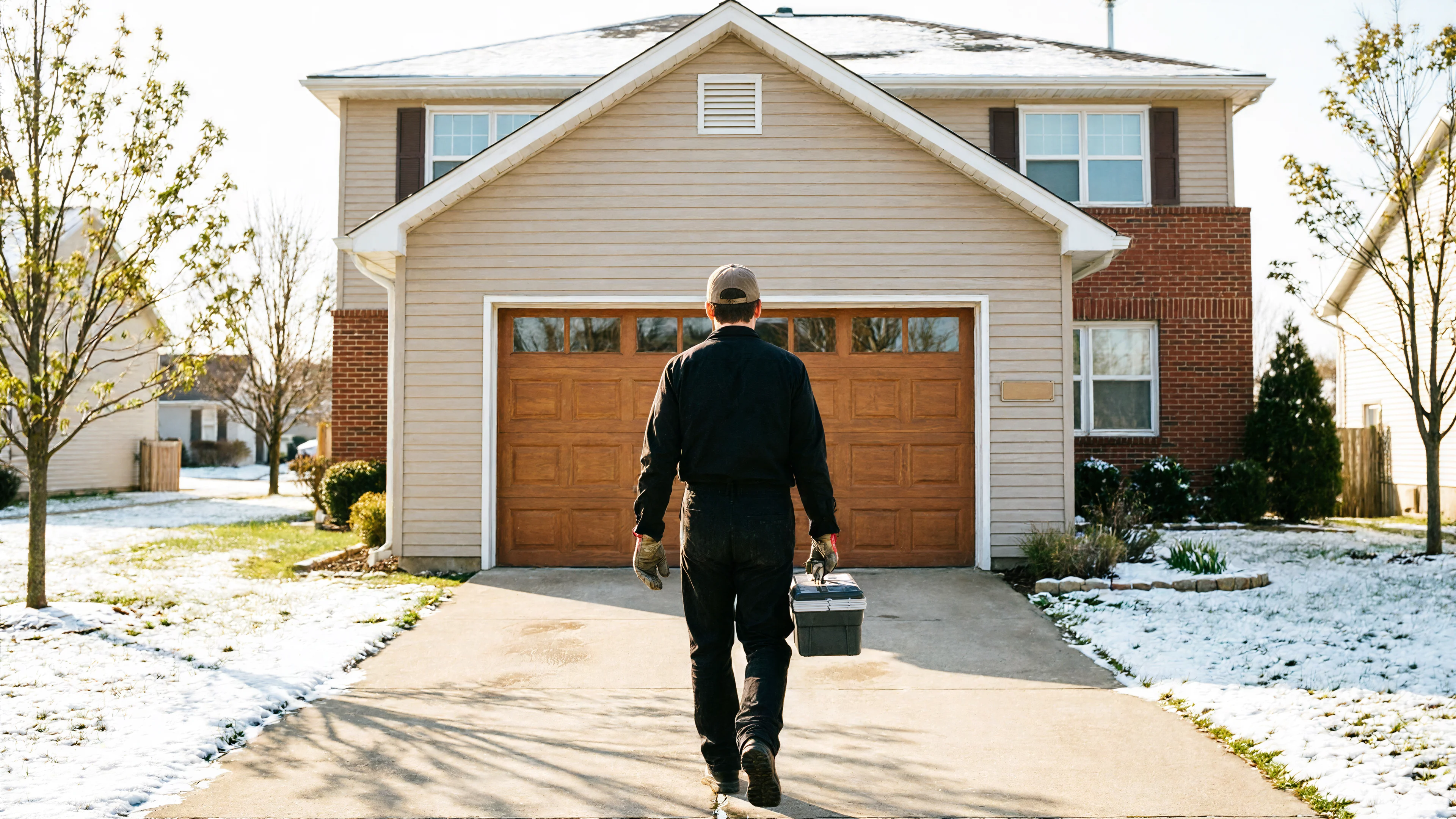
A technician walks toward a house with a brown garage door on a snowy day.

DIY or pro

The DIY Question

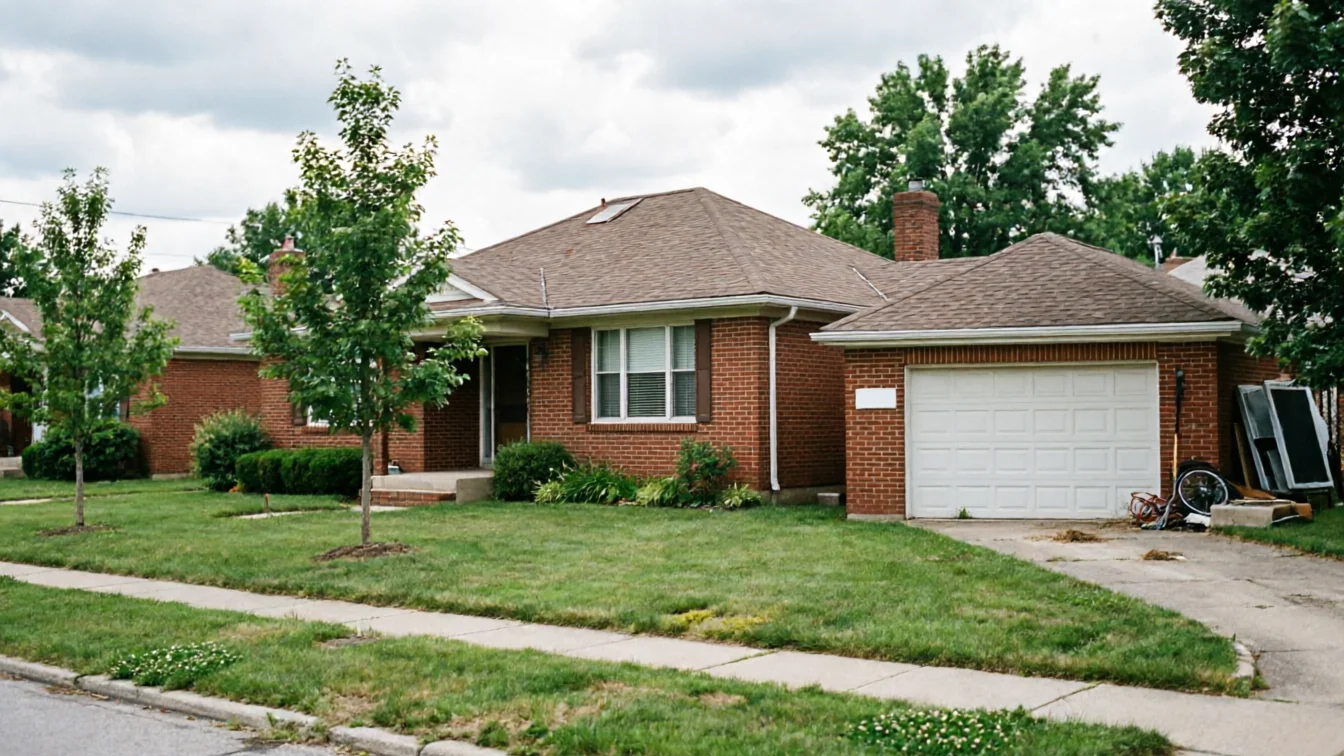
A brick house with a white garage door and a brown roof sits under a cloudy sky.

A torsion spring under tension can do real damage if you don't know what you're doing, and we won't walk you through replacing one over the phone. That part of the job stays with a tech who has the winding bars and the clamps for it. What you can safely check yourself: the track for dents, the rollers for cracking, and whether the door is still balanced - disconnect the opener, lift the door halfway by hand, and see if it holds. If it drops or climbs, something in the spring system is already compromised, and calling it in is the right move, not a project for a Saturday. Where we draw the line: if a door is original to a house built in the 1960s or 70s, the parts on it are often undersized for anything but a straight swap for equivalent hardware, and sometimes a full spring and cable replacement costs close to what a basic new door system would, at which point replacing beats patching. We'll tell you when that's the case instead of running the meter on a repair that won't hold up.
Warning signs

What You Are Seeing

The signs show up the same way on most of these older houses: the door starts slow on the way up, hesitates, then jerks the rest of the way.

Reversing after engagement

Or it reverses right after the opener engages, like it's hit something that isn't there. On older torsion setups from the 1960s-70s building stock, you'll often hear a flat clunk from the spring area before any of that starts - that's usually the first sign a spring has lost tension, not failed outright.

Door sitting crooked

Some owners notice the door sitting crooked in the frame, higher on one side, which points to a cable or one of two springs on a double door giving out while the other still holds some tension.

Imbalance strains opener

None of these are cosmetic. A door that's out of balance is working the opener motor harder than it's built for, and on a 40-plus-year-old track system that extra strain finds the weakest point fast.

Watch-outs

What Can Go Wrong

Left alone, a spring that's lost tension doesn't fix itself - it keeps the opener compensating until the gear inside strips or the motor burns out trying to lift weight it wasn't designed to carry alone.

Single spring failure hidden

On a two-spring setup common in this housing stock, one spring can fail while the other still holds, which means the door looks fine until it suddenly doesn't, usually when someone's halfway under it.

Frayed cable and spring

Cables fray the same way, and a frayed cable combined with a weak spring is how a door comes down fast and off its track instead of easing shut.

Winter roller seizing

We also see rollers seize in winter when cold tightens the clearances on older track hardware, which puts more load on the opener and cables than either one is sized to take. None of this is likely to improve on its own, and waiting usually turns a spring job into a spring-plus-cable-plus-track job.

Questions

Common questions

How old does my garage door spring usually have to be before it's a real risk?

With most homes here built between 1938 and 2003 and a median year around 1974, a lot of original torsion springs are well past their rated cycle count. If your door is original to a house from that era and you haven't had the spring replaced, it's worth getting it checked rather than waiting for it to snap.

Can I replace a torsion spring myself to save money?

We don't recommend it and we won't talk you through it on the phone. A wound torsion spring carries enough stored force to cause serious injury if the winding bars slip. Checking balance and inspecting rollers is fine to do yourself; winding or unwinding the spring is not.

Why does my garage door act up more in cold weather?

The cold moderate climate here means real seasonal swings, and steel springs and track clearances respond to that. Metal contracts in winter, tightening tolerances on older hardware and seizing rollers that were already worn. That's often when a spring that was already weak finally lets go.

Do you handle calls outside Jefferson City itself?

Yes, we work throughout the area including Holts Summit, St. Martins, New Bloomfield, Westphalia, Russellville, Ashland, Mokane, Linn, and Eugene.

Explore more

Explore More Services In Jefferson City, MO

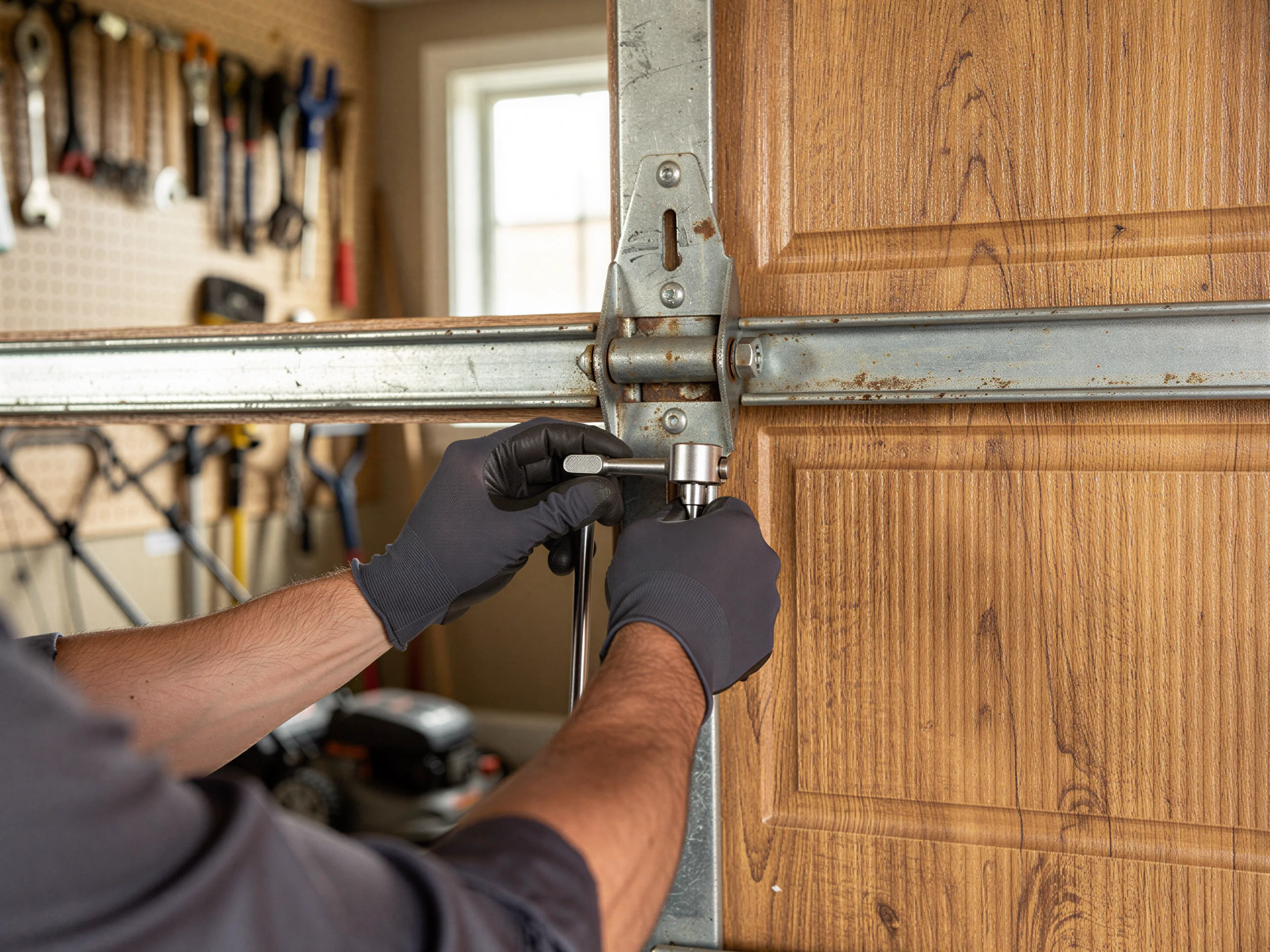
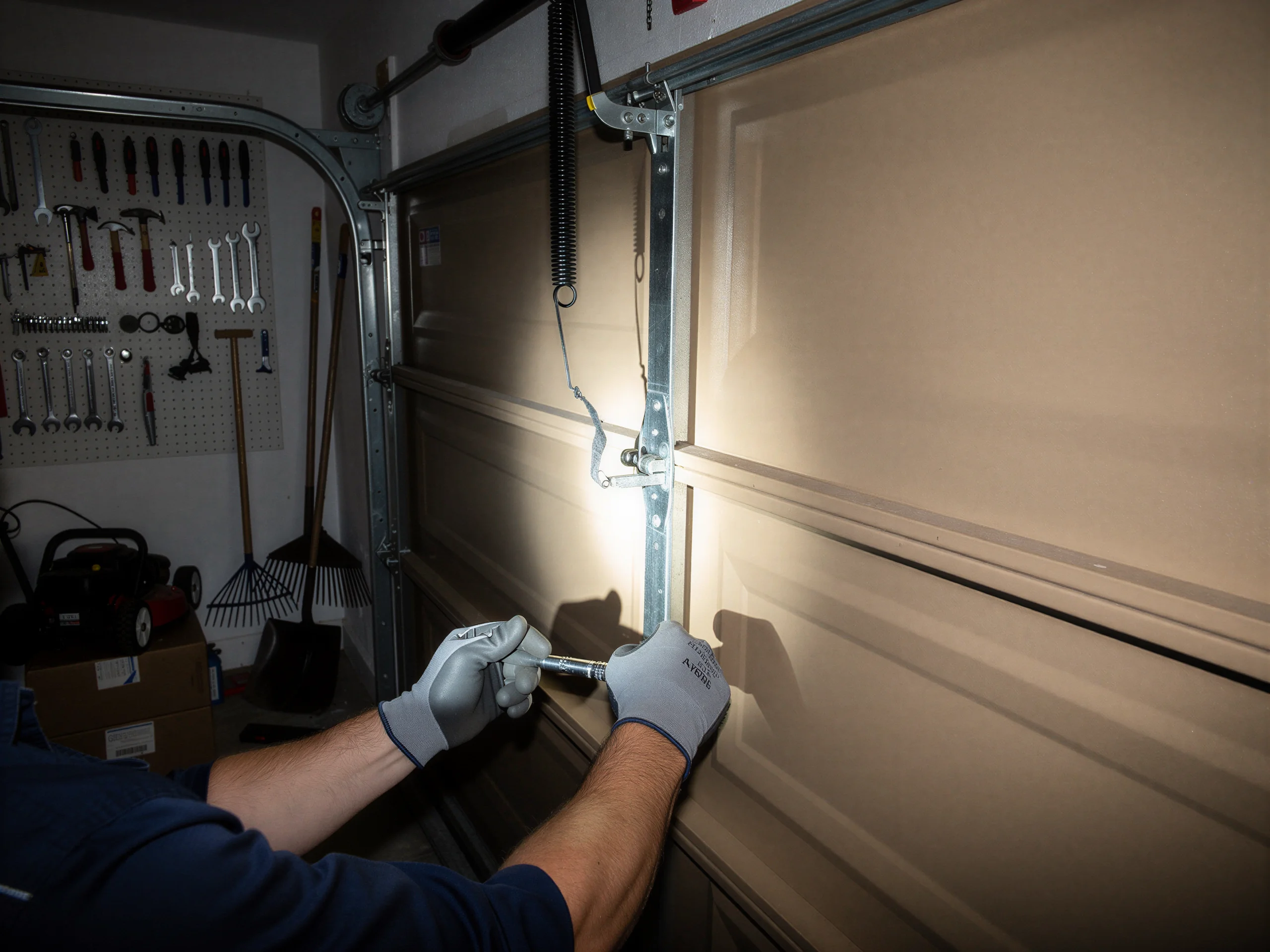
A technician in black gloves adjusts a garage door hinge with a wrench.

Garage Door Repair Built Around Jefferson City's Housing Stock

Garage door repair for Jefferson City homes built 1938-2003, where original torsion hardware and cold-weather spring fatigue cause most of the service calls we see. Learn more →
A technician sprays lubricant on a garage door hinge.

Garage Door Maintenance Across Jefferson City

Garage door maintenance built around Jefferson City's 1938-2003 housing stock and cold winters - what fails, what to check, and when a tune-up beats a repair call. Learn more →
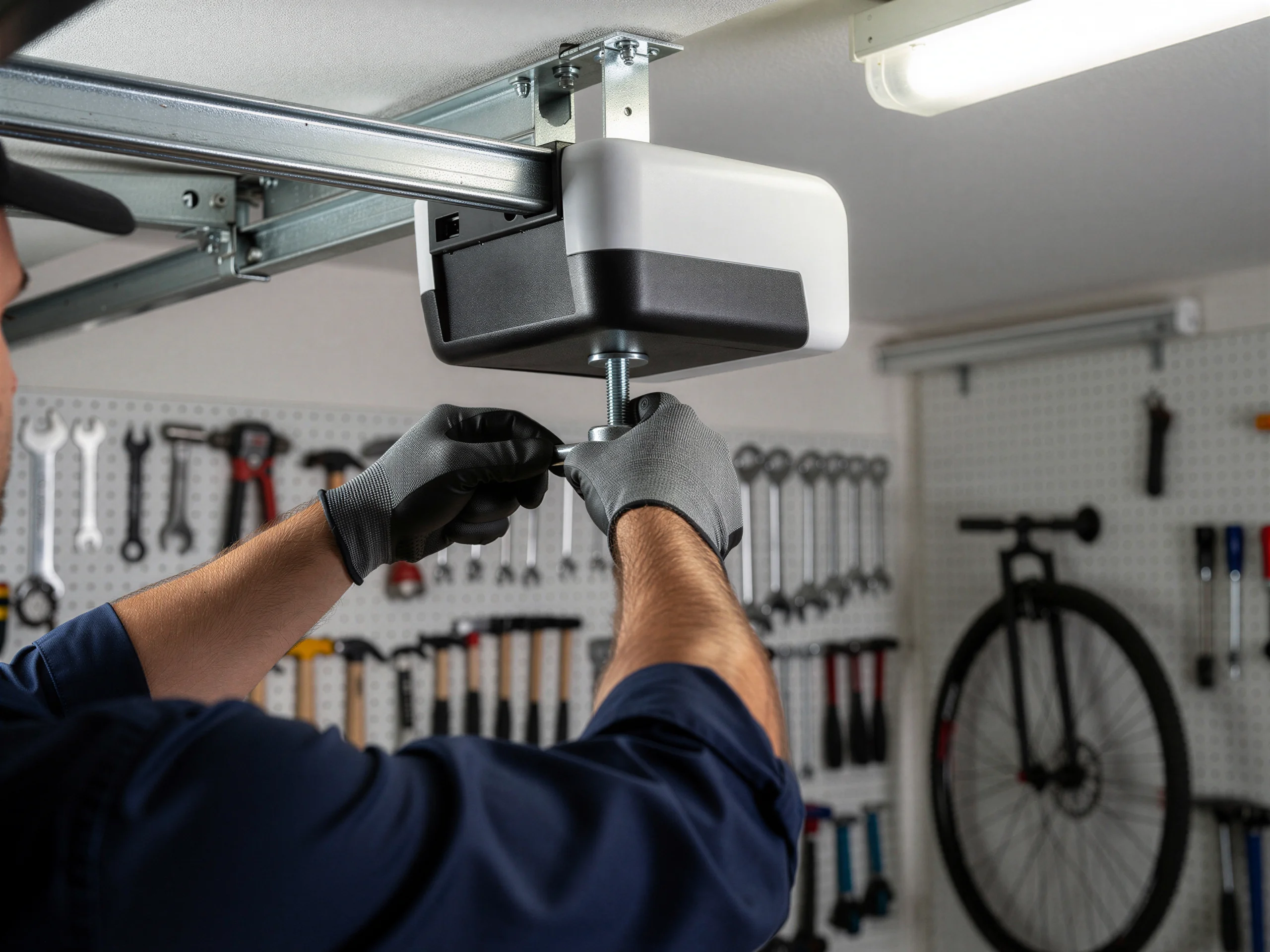
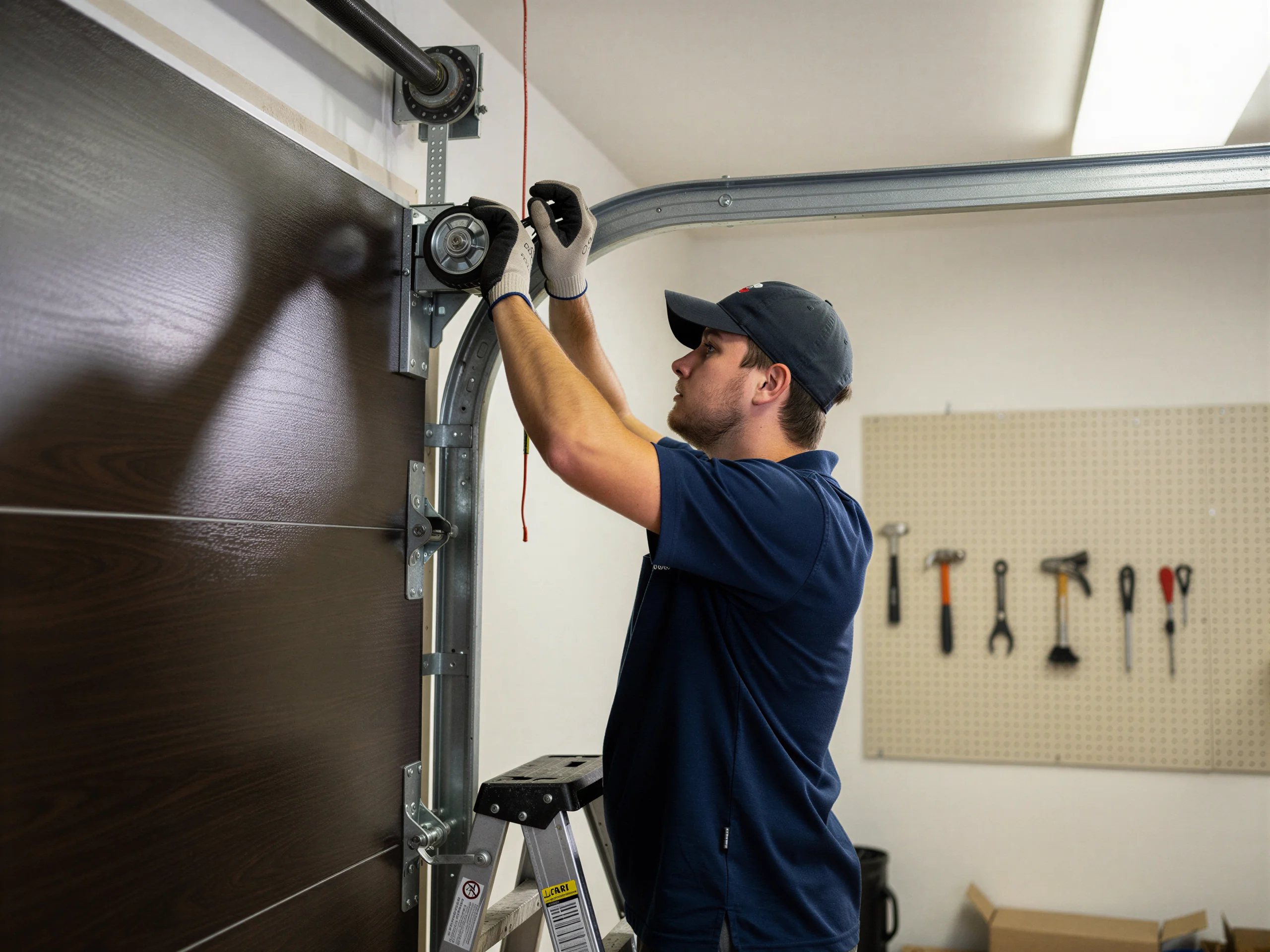
A technician installs a garage door opener in a garage with tools on a pegboard.

Garage Door Opener Installation Across the Jefferson City Area

Opener failures in Jefferson City often trace to 1960s-70s wiring and cold-season strain. Learn more →
A technician on a ladder adjusts the top roller of a brown garage door.

Garage Door Roller Replacement, Jefferson City MO

Rollers wear out fast on the 1960s-70s doors common across Jefferson City. Learn more →
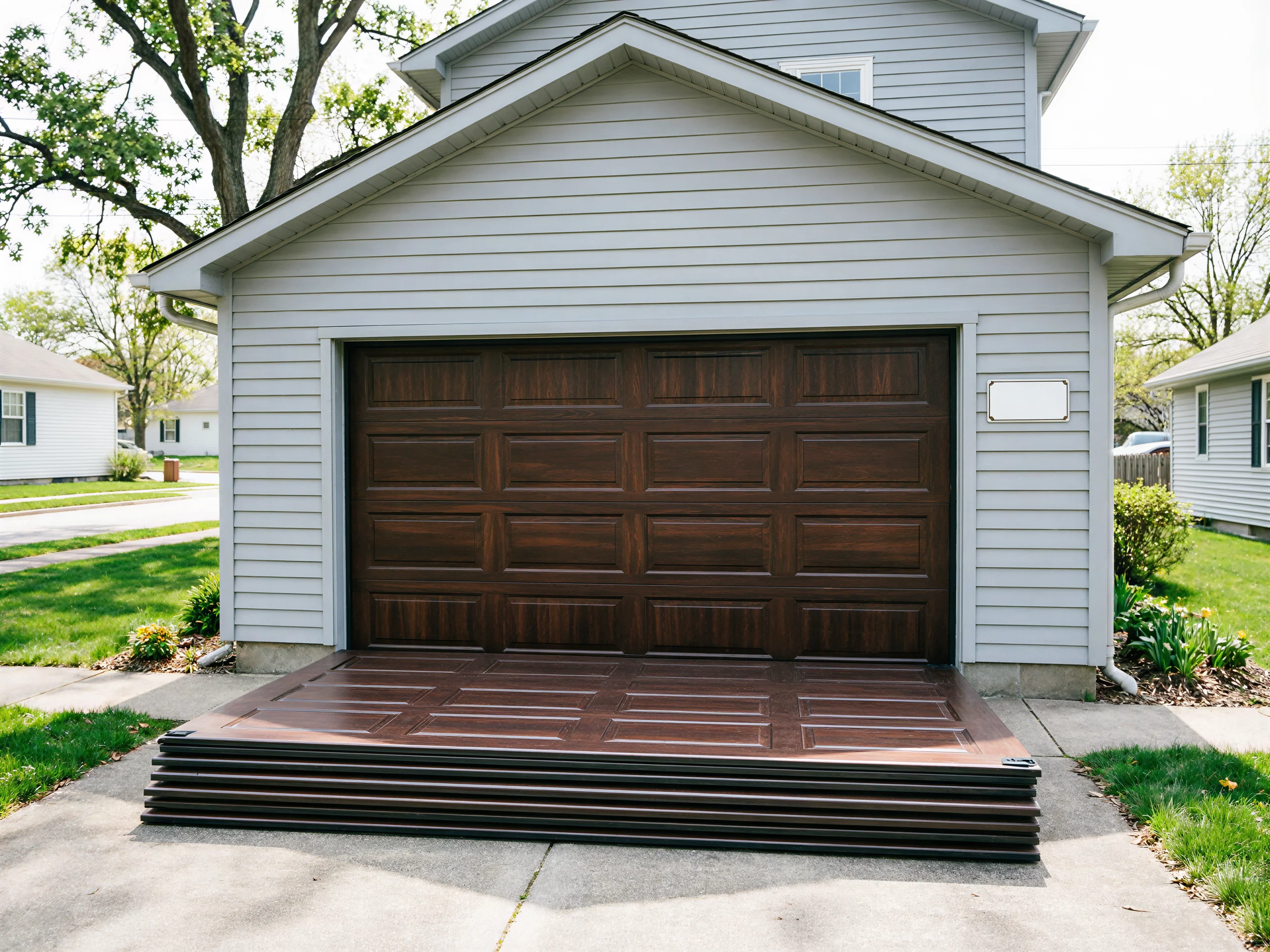
A brown garage door is installed with new panels stacked on the driveway.

Garage Door Installation Built for Jefferson City Houses

Jefferson City homes built 1938-2003 often carry doors and track sized for a different era. Learn more →

Ready when you are

Need a garage door sorted in Jefferson City?

Jefferson City Garage Door Pros repairs and installs garage doors, springs and openers in Jefferson City, MO and the surrounding area.

Call Now(573) 235-7235