
Unknown framing adds hours
We won't quote an hours number here because the honest answer is "it depends on what's behind the old door," and on a town with 1960s-era framing, that's more often a factor than it would be on a newer build.
Russellville, Jefferson City
Russellville, MO has about 358 households and a housing stock centered on 1961 - that combination shapes which doors and openers actually fit here. Installation from Jefferson City, 15 miles out.
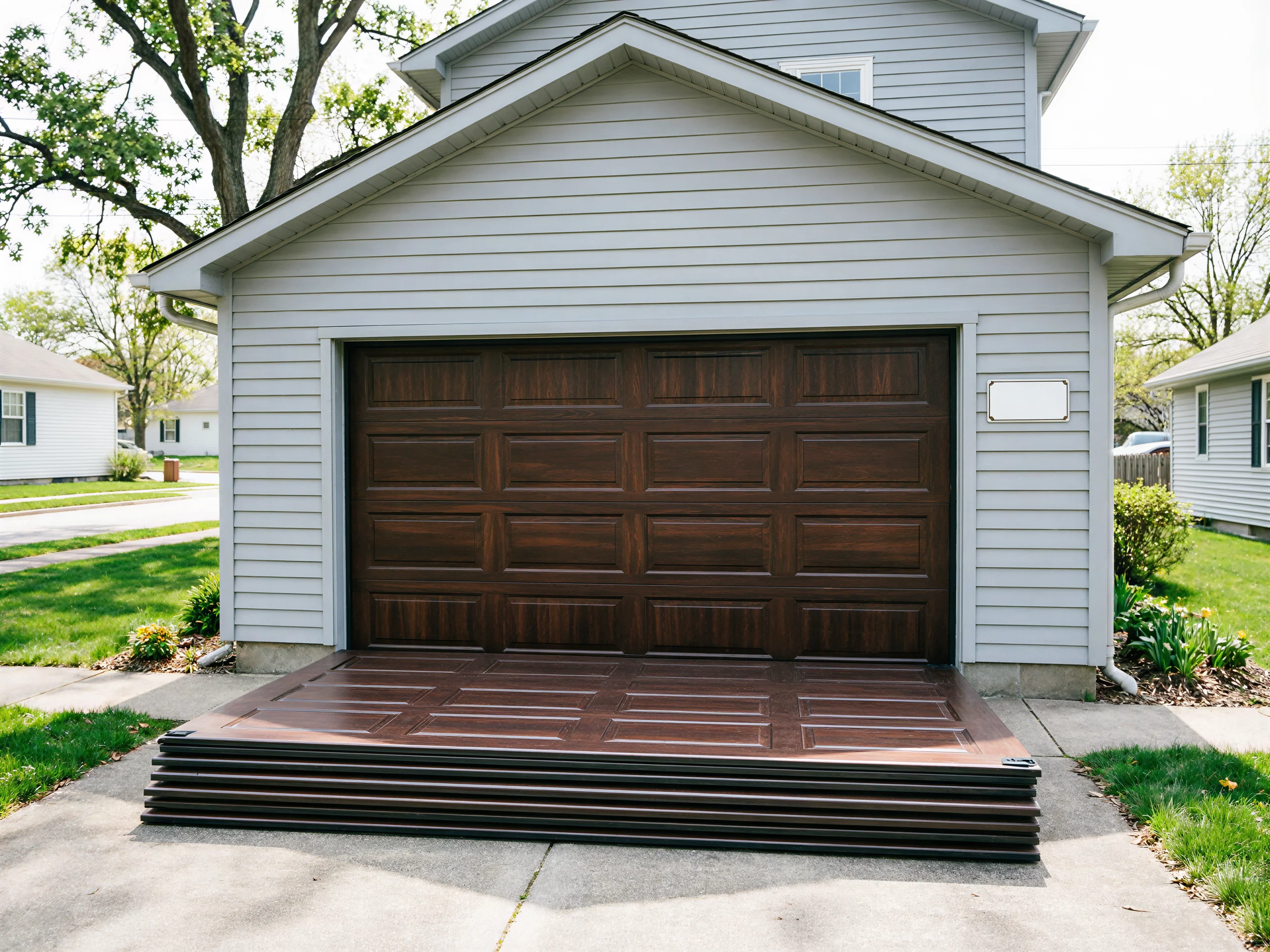
Booking
Russellville is a small town - about 358 households, not a few thousand - so the installation work here tends to be spread out rather than clustered on one street grid.
We run the job from Jefferson City, 15 miles up the road, and we schedule the truck out to Russellville the same way we'd schedule any job on the route: you call, we ask what's on the house now (door size, whether there's an opener, whether the opening is standard 16x7 or something older), and we give you a day.
We don't keep a crew or a showroom in Russellville itself, so there's no walk-in counter - everything starts with that call or a message through the booking link. Because the town is small, we're not juggling five jobs on your block that week; we're usually making one trip out for one house, which means we plan the install around your day, not around a route density that doesn't exist here.
Bring us the rough opening measurements if you have them and a sense of what you want (steel, insulated, single or double) and we can quote before the truck even leaves Jefferson City.
DIY or pro
A new garage door looks like a weekend project on video - pull the old one down, bolt up a kit door, done. On paper it's bolts and brackets. In practice, the part that goes wrong isn't the door panels, it's the torsion spring and the track alignment, and that's true whether the house is new or old. Given that Russellville's housing runs with a median build year around 1961, a fair number of openings were framed before pre-fab door kits were the standard, which means the rough opening on your house may not match a big-box kit's assumptions even if the door itself looks standard width. That's not a reason to avoid DIY entirely - it's a reason to measure twice and know what you're buying before you commit to a kit sized for a newer house.

Local causes
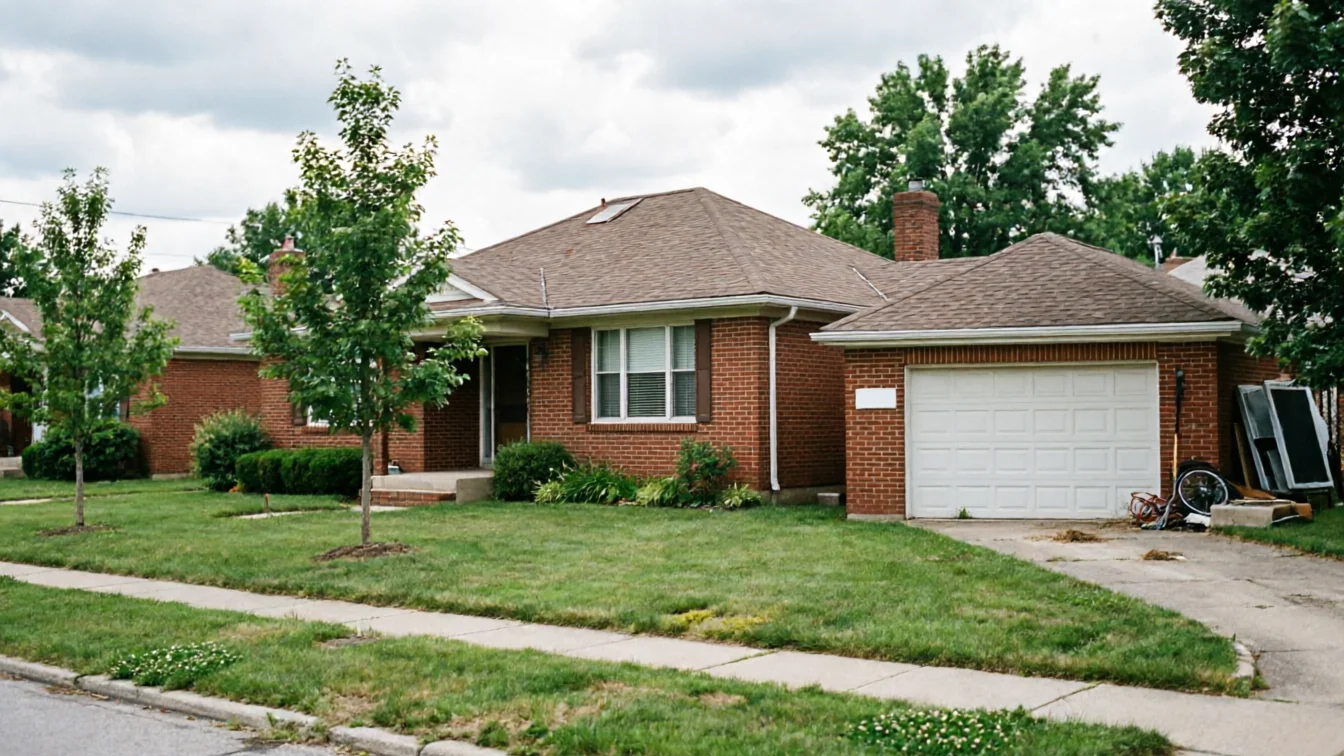
The failure mode we see on older-stock houses isn't the door, it's the frame it has to hang in. A house built around 1961 was framed to the lumber sizes and opening tolerances of that era, and decades of settling since then haven't helped. Drop in a modern pre-hung door kit sized for today's standard framing and you can end up with gaps at the jamb, a track that's slightly out of plumb, or a header that needs shimming the kit instructions never anticipated. On top of that, the region sits in a cold-moderate climate band, so a door that doesn't seal tight at the jamb isn't just a cosmetic gap - it's a cold-air leak into the garage every winter. None of this is unique to one house; it's the pattern you get when the install date on the siding doesn't match the install date on the door hardware it's supposed to fit.
Job timing
A straightforward swap - same opening size, no framing surprises - is a different job than one where we have to true up a header or build out a jamb to square.
We won't quote an hours number here because the honest answer is "it depends on what's behind the old door," and on a town with 1960s-era framing, that's more often a factor than it would be on a newer build.
What we can tell you is that we size the job after we've looked at the opening in person, not off a phone description, because guessing on an older frame is how a one-day job turns into a callback.
On the truck
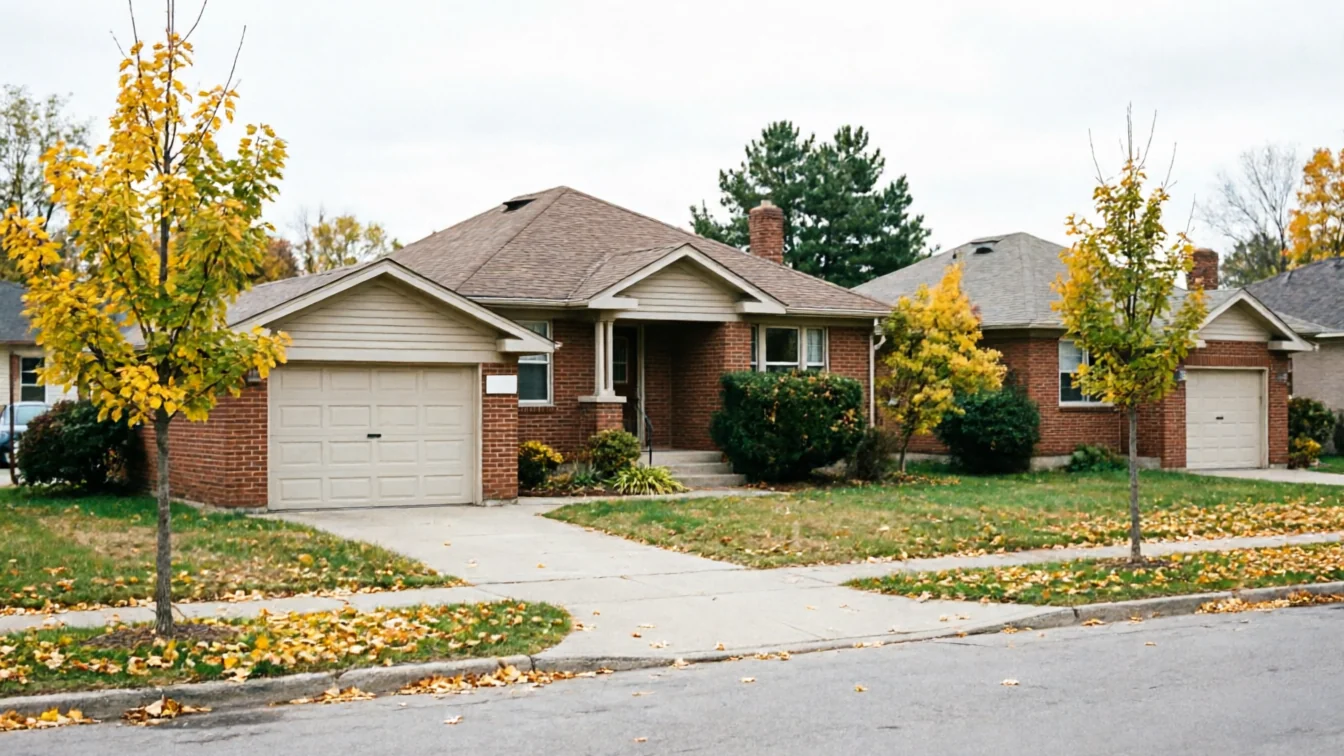
For a Russellville install we bring the door itself (ordered to the measurements we took, not a stock size), new track sections, rollers, cable, and a torsion spring rated for the door's actual weight rather than a generic one. If the opener is being replaced too, that comes separately on the same trip. What we don't carry as a default stock item is specialty trim or jamb-building lumber for an opening that turns out to be badly out of square - on an older frame that's sometimes a second-trip item, and we'd rather tell you that up front than pretend every job wraps in one visit.
Watch-outs
The two things that turn a clean install into a longer day are a header that isn't square and electrical that wasn't run for an opener in the first place - both more common on a house built when garages were framed for a swing door or no door at all, not a sectional with a motor. We catch most of this on the initial look at the opening, before the new door is ordered, which is why we measure in person rather than quoting off a phone call. If we find something that's going to add real time, we'll tell you before we start, not after.
Questions
No. We run out of Jefferson City, about 15 miles away, and send a truck out to Russellville for scheduled jobs. There's no local branch or walk-in counter in town - booking happens by phone or through the website, and we schedule a day for the install.
It depends on your opening. With a lot of the local housing stock dating to around 1961, some rough openings don't match the dimensions a modern kit door assumes. We measure the actual opening before ordering, which avoids guessing based on a house's age alone.
It depends on what's behind the old door. A clean swap with a square opening is quicker than one where the header or jamb needs correcting, which comes up more often on older framing. We size the job after looking at it in person.
The area sits in a cold-moderate climate band, so a door that seals poorly at the jamb means real heat loss from the garage in winter, not just a cosmetic gap. We factor that into which door and weatherstripping we recommend.
Explore more
Ready when you are
Jefferson City Garage Door Pros repairs and installs garage doors, springs and openers in Jefferson City, MO and the surrounding area.