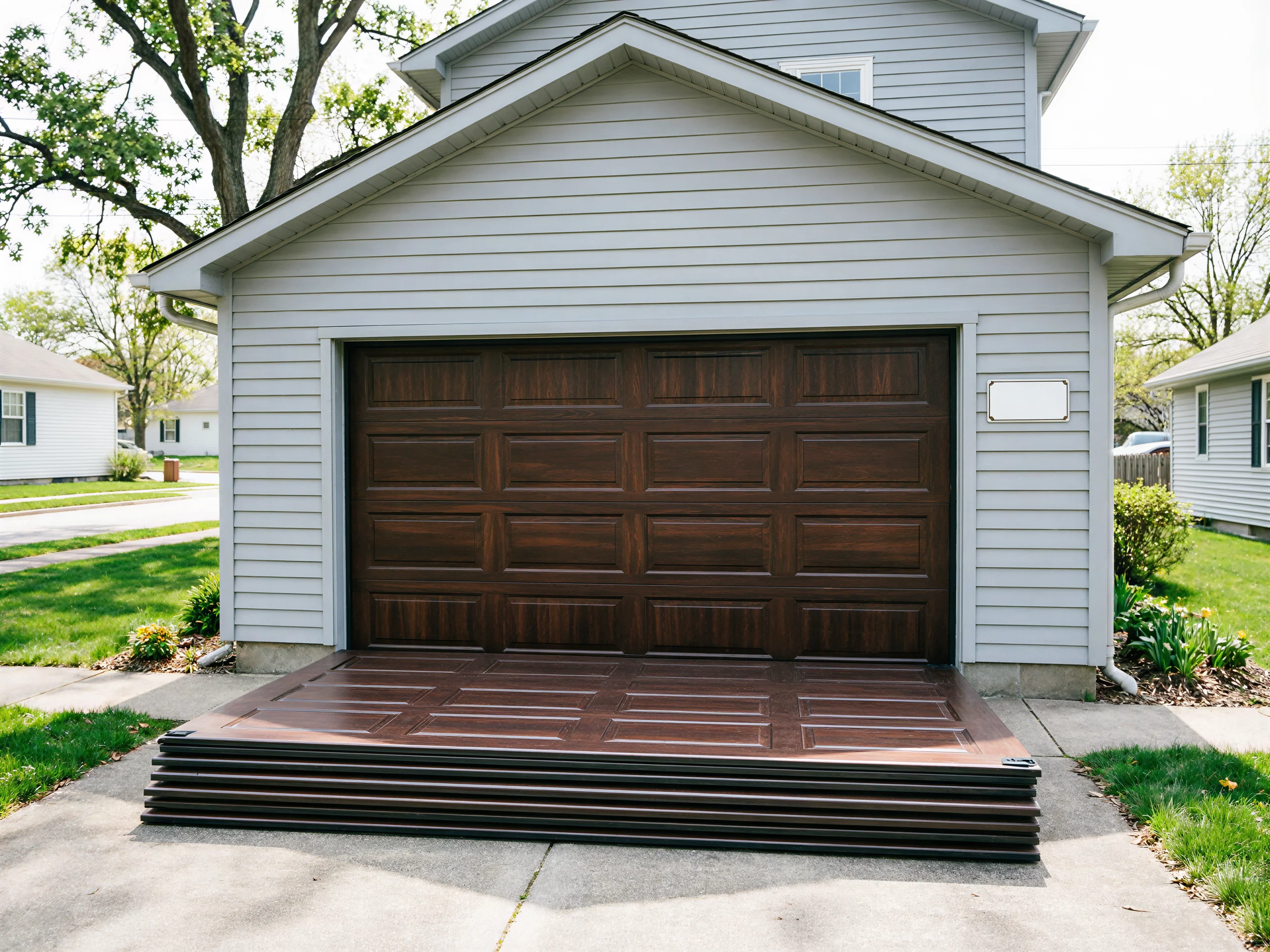
Linn sits in a cold-moderate climate band, and that matters more for a 1970s door than people expect. Doors built to that era's standard were single-layer steel or thin wood composite, with no insulation value worth mentioning. For decades that was fine - garages weren't finished space. But heat loss through an uninsulated panel adds up over a Missouri winter, and it shows up as a cold floor in whatever room shares a wall with the garage.
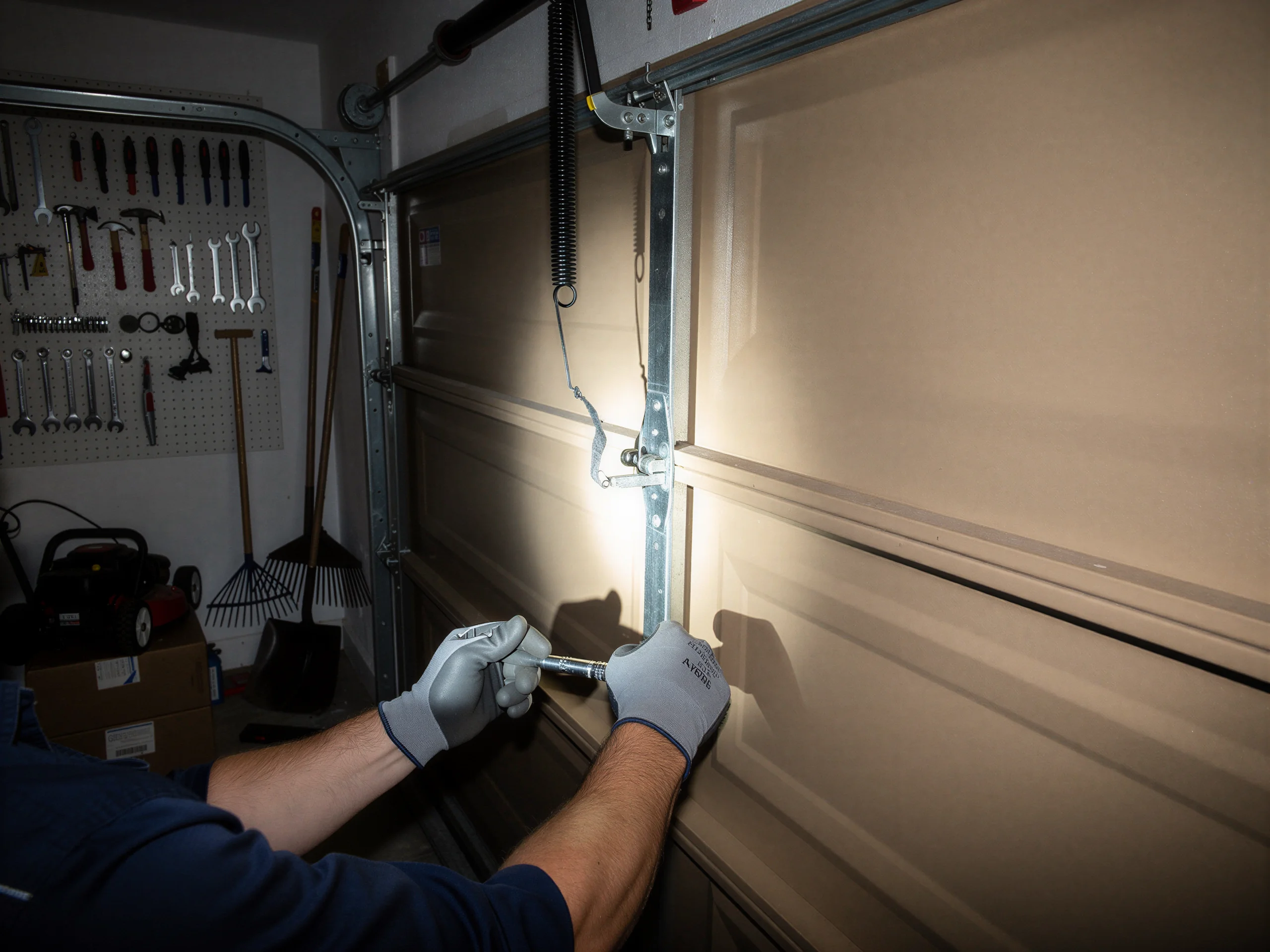
The framing around these openings was also sized for that thinner door. A modern insulated door is heavier and sits differently in the track, so swapping one in without checking the header and the spring rating can leave you with a door that's technically installed but working harder than it should. This isn't a defect specific to any one house - it's a mismatch between what the opening was built for in 1974 and what a new door actually weighs.
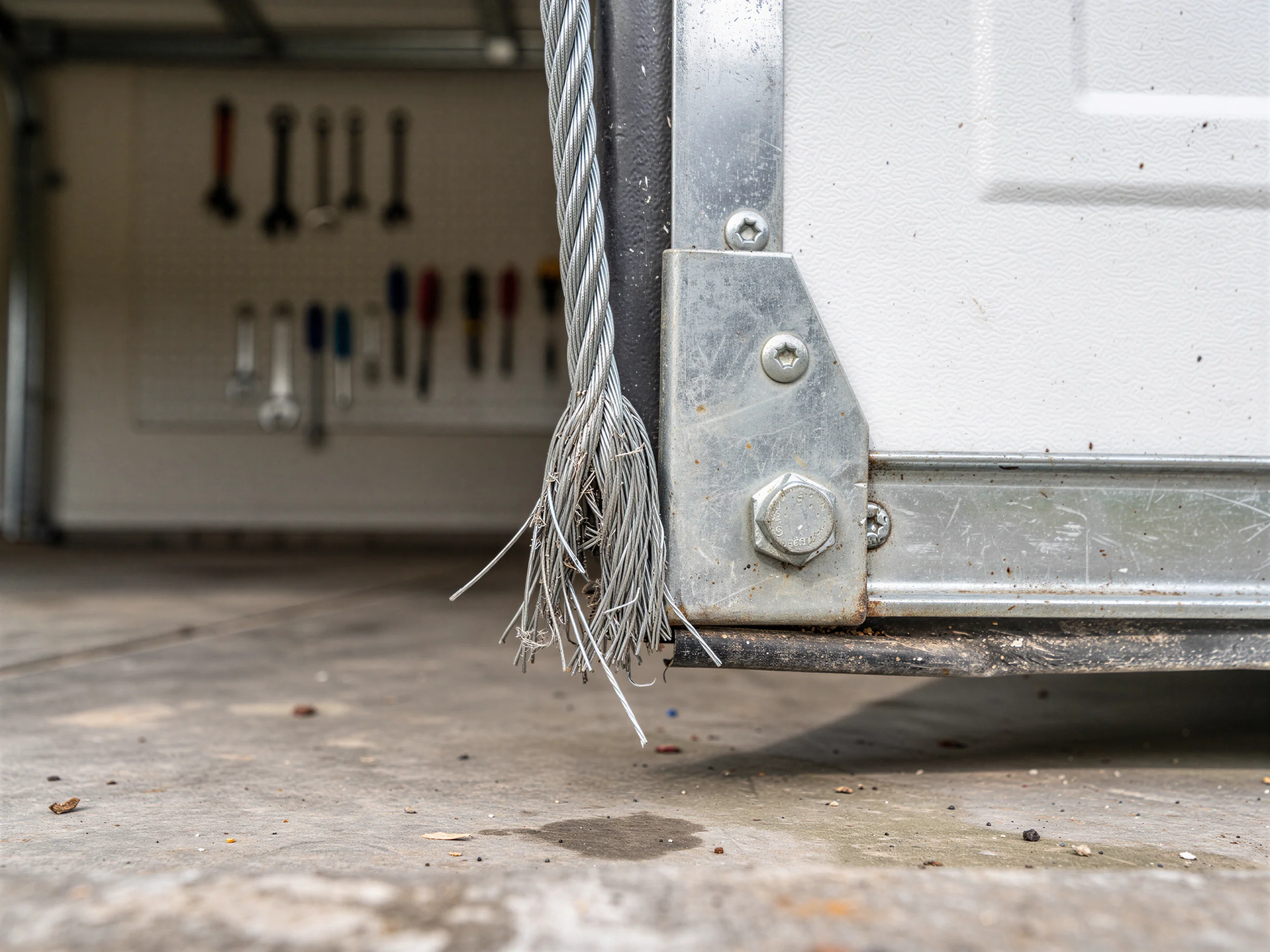
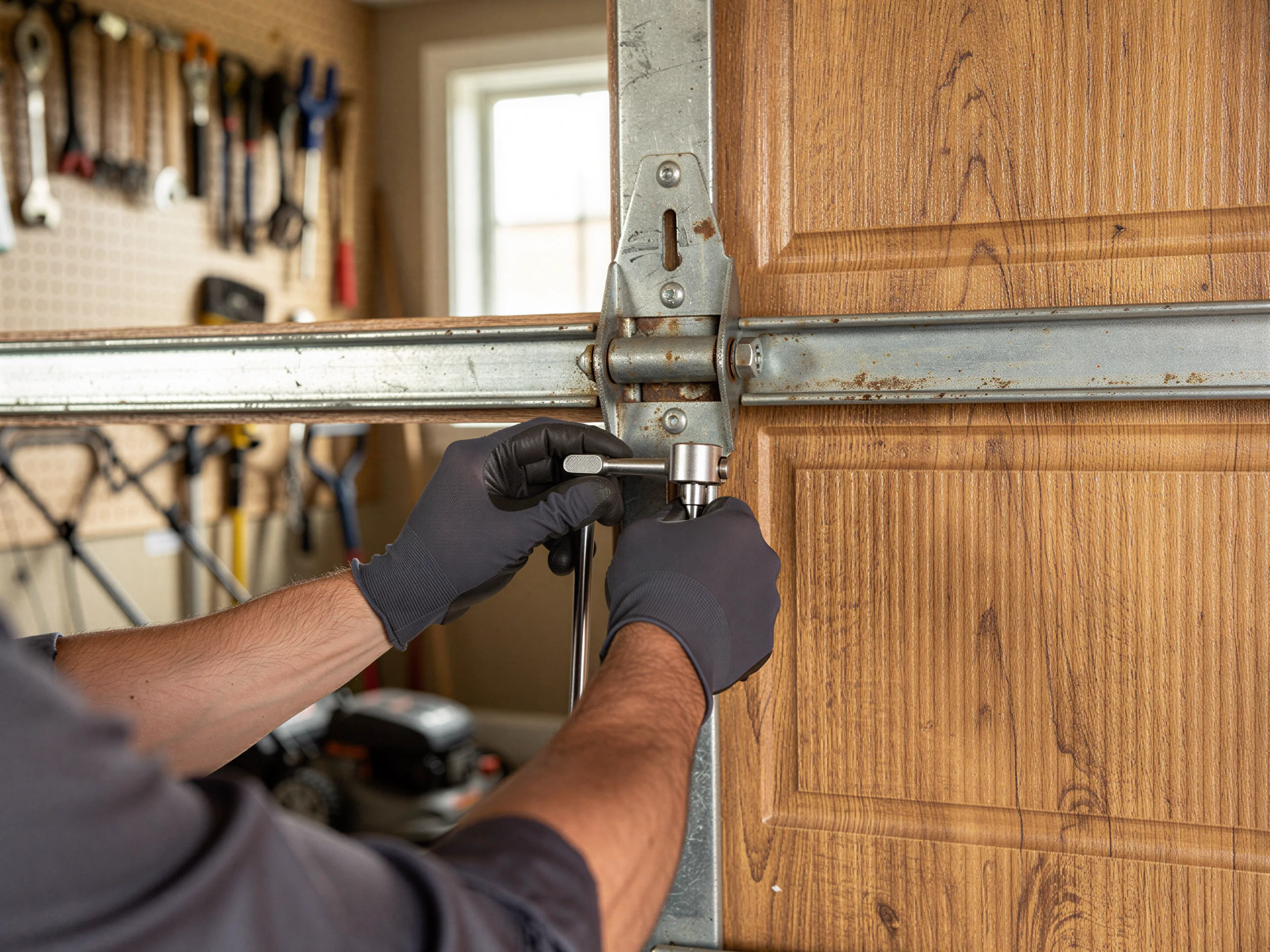
We size the new hardware to the house, not to a standard kit, which is the only way to avoid trading an old problem for a new one.